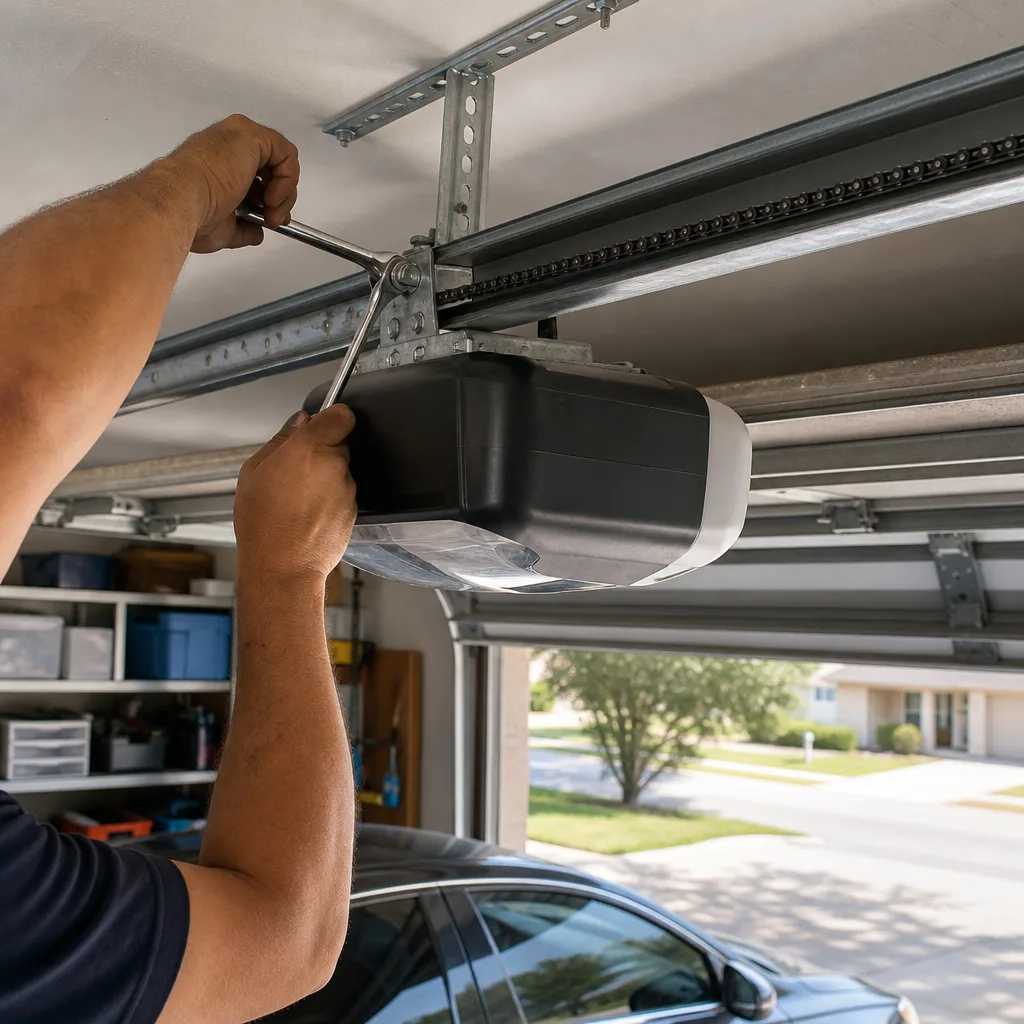
Last updated November 21, 2026
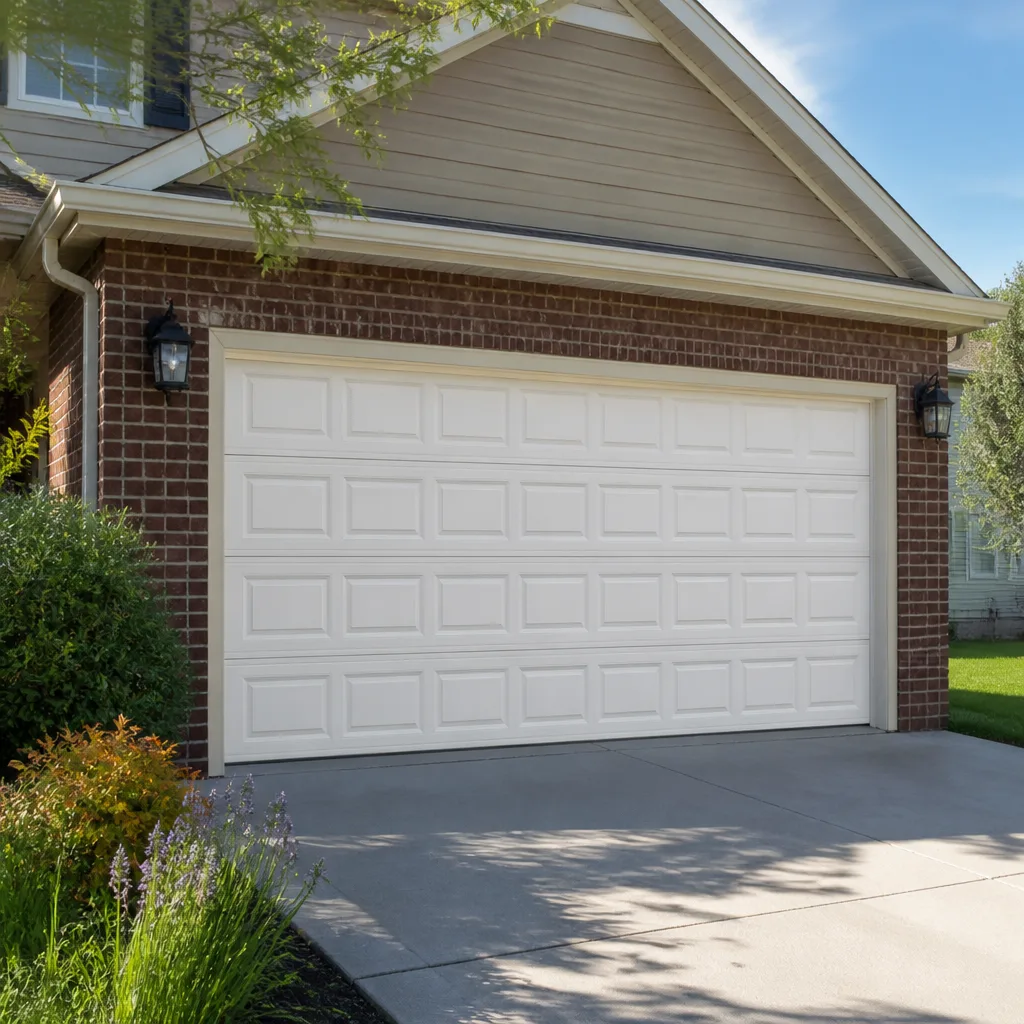 Raised-panel steel
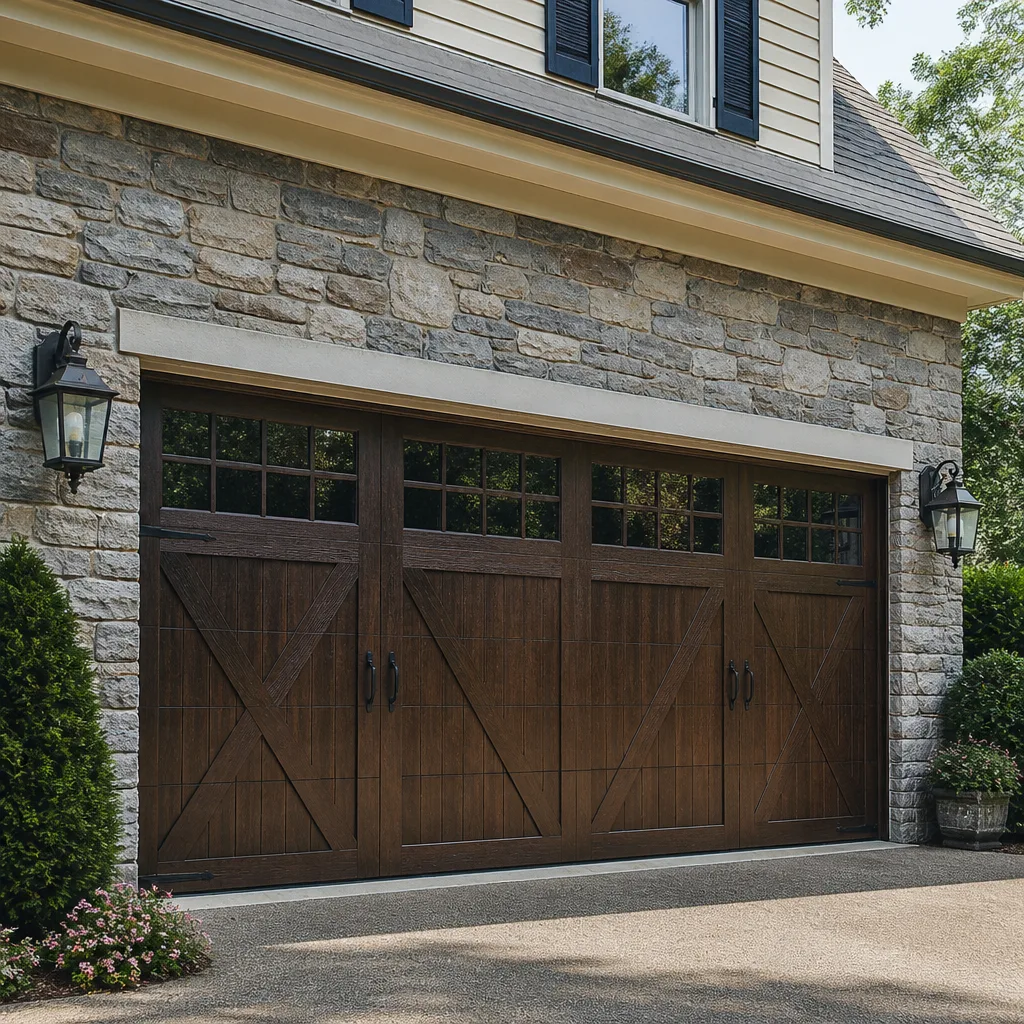 Carriage house
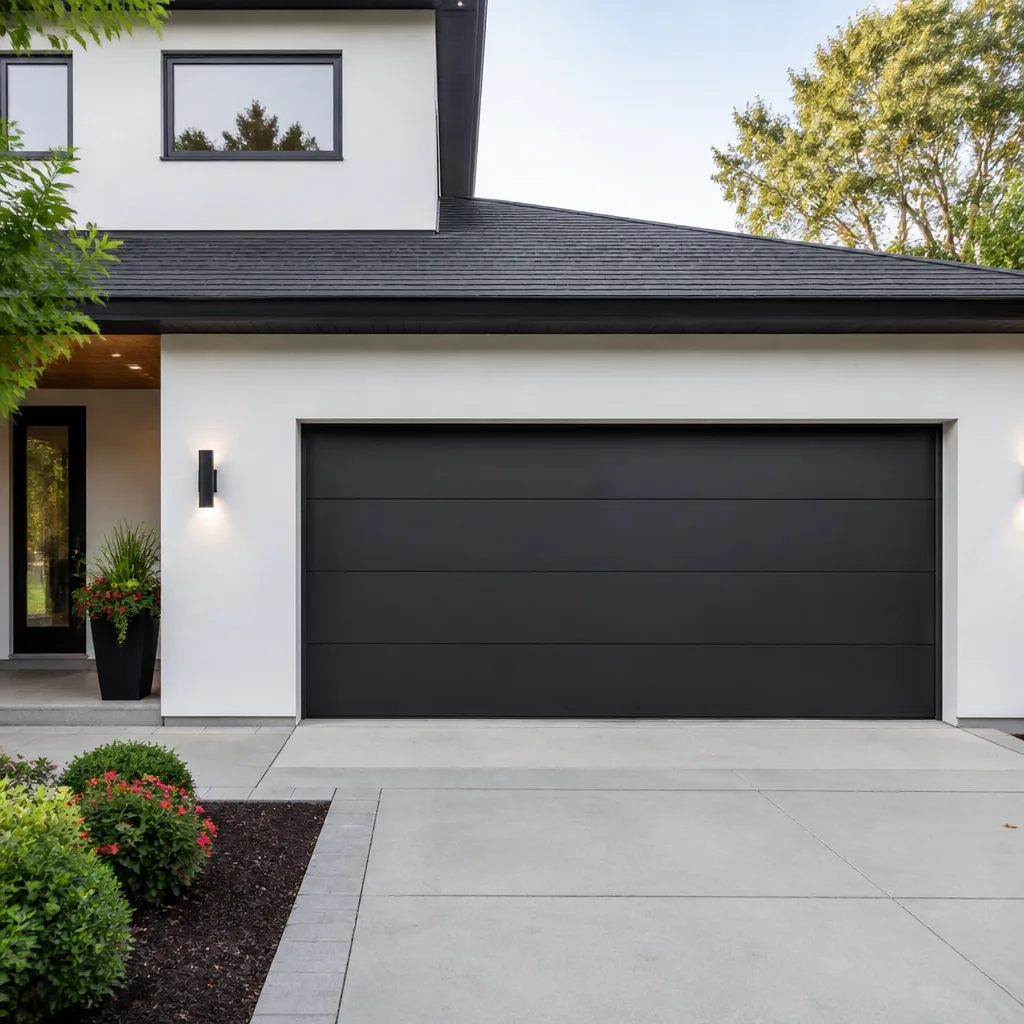 Modern flush
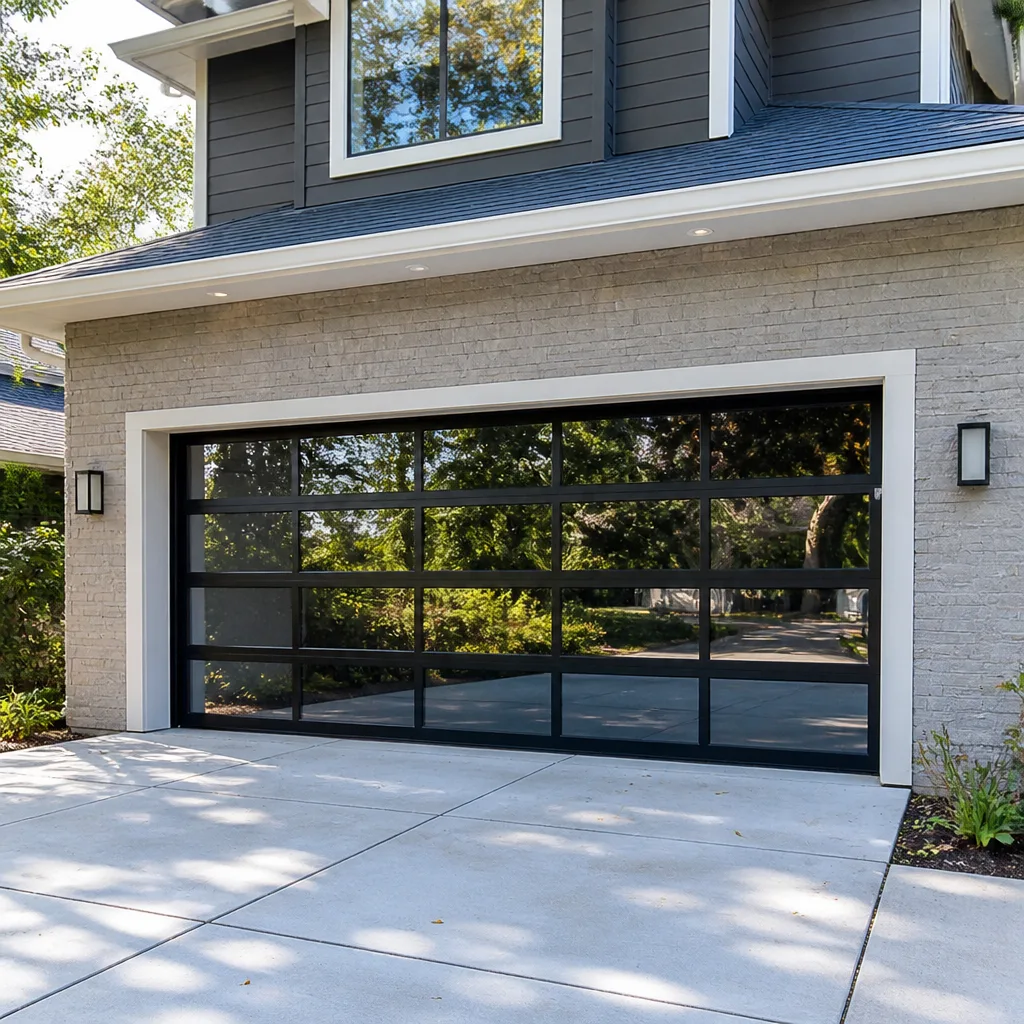 Full-view glass
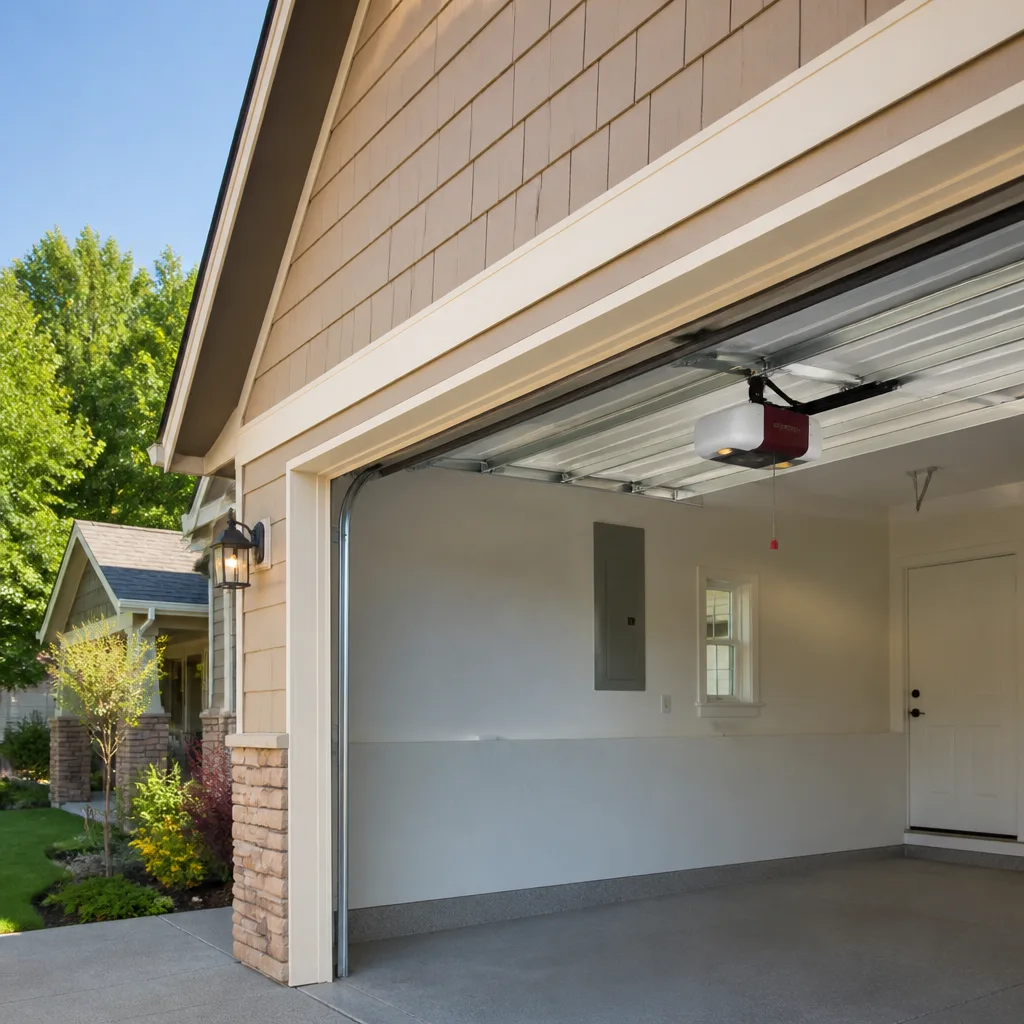 LiftMaster openers
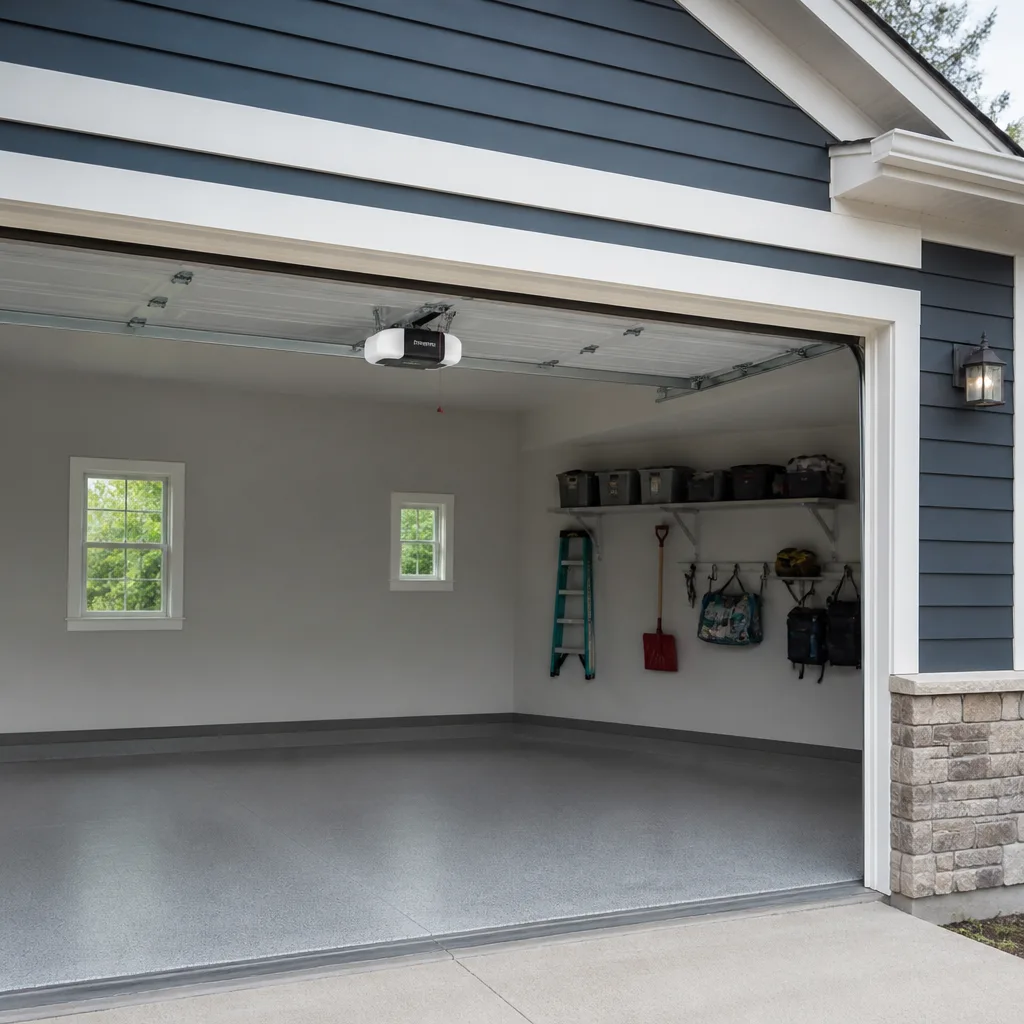 Chamberlain openers
Full 25-point door and opener safety check with every visit - springs, cables, rollers, tracks, and your LiftMaster or Chamberlain opener included
You get a price before we start. It does not change when the pro arrives.
Get your free estimateGarage Door Permits, Codes & Inspections in Pasadena, TX: What You Need to Know
Most homeowners assume a garage door is a private fixture, like a fence or a coat of paint. Under Texas wind code as adopted locally, that assumption can cost you at claim time. If your existing door carries a wind-load certification and you replace it without a permit, your insurer has grounds to question a hurricane claim later, even when the new door looks and performs exactly like the old one. In Pasadena, where straight-line winds and Gulf storms are part of the year, that documentation matters. This guide explains when the City of Pasadena requires a garage door permit, when the work is exempt, what Harris County wind provisions mean for your door, how HOA rules stack on top, and how to pass inspection the first time.
Quick Answer
In Pasadena, TX, replacing a full garage door, changing its size or opening, or installing a new door on new construction generally requires a building permit, while like-for-like repair of springs, cables, rollers, tracks or openers typically does not. Wind-load rated doors must be documented and inspected so the certificate stays on file with the city. Because permit triggers and HOA rules vary by subdivision and door type, confirm the specifics with the City of Pasadena’s building department before work begins.
Styles & brands we work with
- Raised-panel steel
- Carriage house
- Modern flush
- Full-view glass
- LiftMaster openers
- Chamberlain openers
Table of Contents
- Does a garage door replacement need a permit in Pasadena, TX?
- When is garage door work exempt from permits?
- Harris County wind load requirements and what installers must provide
- How to verify your wind-load certificate is on file
- The HOA approval layer beneath city code
- What happens at a garage door inspection
- Who pulls the permit, and what to ask your installer
- How to choose a garage door contractor in Pasadena
Does a garage door replacement need a permit in Pasadena, TX?
Replacing a full garage door, changing the size of the opening, converting a manual door to an opener-powered one on new framing, or adding a door where none existed typically requires a permit through the City of Pasadena. Repairing the same door in kind, such as swapping a snapped spring or a failed opener, usually does not. The dividing line is structural change and wind-load compliance: if the door on your home was rated to resist wind pressure and you swap it for another, the city wants a paper trail that the replacement meets or exceeds the original rating.
Doors we see across Pasadena run the full range, from original 1970s models in older blocks off Southmore to newer wind-rated models in the subdivisions near Beltway 8. Many of those older doors were never wind-rated at all because the code that governs them has tightened since. When a door that was never rated gets replaced today, installers generally have to bring the opening up to current requirements, which is one reason a permit matters even when the original door was never stamped.
There’s a second reason to care about the permit: resale. A home inspector or a title search will often surface an unpermitted structural change, and the buyer’s lender can require it be permitted retroactively, which is harder and more expensive to do after the fact than before.
One clarification we make for homeowners: a permit for the door does not cover the opener. If the opener itself fails and you replace it, we cover that under garage door opener repair, and the permit question usually doesn’t apply.
When is garage door work exempt from permits?
Routine repair stays exempt in most cases. Swapping a torsion spring, replacing a section panel that’s been dented by a car, realigning a bent track after a bump, replacing rollers and hinges, or installing a new opener motor on existing framing all typically fall outside the permit requirement. The rule of thumb: if the size, framing and wind rating of the door don’t change, the work is generally treated as maintenance.
A tricky edge case: replacing a single damaged panel with an identical panel from the same manufacturer. In many cases that’s exempt as a repair. But if the original door was wind-load certified as an assembly and the manufacturer’s rating was issued for the whole door, some jurisdictions still want the certificate updated. That’s where we recommend a phone call to the city before ordering the panel. It’s cheaper to ask than to explain later.
Other exemptions we’ve seen in Pasadena:
- Painting, refinishing or lubricating hardware.
- Replacing weatherstripping or the bottom seal.
- Adjusting an opener’s travel limits or force settings.
- Replacing a remote or keypad on a smart opener such as a LiftMaster MyQ or Chamberlain unit.
- Replacing safety sensors.
The one item that is never just a repair: spring work. Torsion and extension springs are under extreme tension. Never treat a spring replacement as a DIY job; the injury potential is real and the correct tools and training matter. If a spring has snapped and the door won’t lift, our garage door spring repair service handles that as a safety-critical job.
Harris County wind load requirements and what installers must provide
Texas has adopted the International Residential Code (IRC), and Harris County enforces wind provisions that flow from that adoption. In practical terms, that means the garage door on a Pasadena home needs to be rated to withstand wind pressure at its specific design wind speed, and the door’s manufacturer certificate has to back that up. The rating is issued per door model and size, so a door rated for one opening size is not automatically rated for another.
When an installer replaces a wind-rated door, they typically must provide:
- The manufacturer’s wind-load certificate for the specific model, size and wind speed, listing design pressure.
- Installation instructions printed by the manufacturer that show exactly how the door must be anchored and reinforced to hold the rating.
- Documentation of the anchor type and spacing, matching the manufacturer’s spec, at the tracks and header.
- A permit application that names the design wind speed for the address.
- Label placement, because the door’s certification label is part of what the inspector looks for.
Some doors we work with, including Amarr and Wayne Dalton products, arrive with the certificate in the carton. Others require the installer to download the certificate from the manufacturer’s site. Both are fine, but the certificate must match the installed door down to the model number. If a homeowner swaps models at the last minute to save money and no new certificate is issued, the rating is effectively void.
Pasadena sits inland of the Gulf but within the wind zone that Harris County enforces, and the city’s inspection process exists precisely to make sure the door on your home meets the pressure it was rated for. We don’t issue certificates ourselves. What we do is install so that the door can pass inspection, and we coordinate with the manufacturer to get the certificate into the permit file.
How to verify your wind-load certificate is on file
After the job is done, the certificate should be sitting in the city’s permit record, accessible to you and to any future buyer. If you don’t have a physical copy, or you’re buying a home with a recently replaced garage door and want to confirm the work was done properly, the process is straightforward.
- Look on the door itself: most wind-rated doors carry an engineering label or a stamp somewhere on the interior or the edge of a panel. Note the manufacturer and model.
- Request the permit number from the seller or the previous installer.
- Contact the City of Pasadena’s permit office with the property address. Ask for the permit record and the attached wind-load certificate.
- Confirm the certificate’s model number matches the door on the home. If it doesn’t, you have a problem.
- Confirm the certificate is dated to the replacement and that the final inspection was signed off.
If the record doesn’t exist, that usually means one of three things: the door was never replaced (and the original may not have been rated), the replacement was unpermitted, or the installer forgot to file the certificate. Any of those should prompt a conversation with your insurer before the next hurricane season, and often with the city’s code office.
For homeowners buying in established Pasadena neighborhoods near Pasadena Boulevard or along the older streets off Spencer Highway, ask this question before closing. It’s not a deal-killer, but it’s the kind of item that delays a sale at the worst possible moment.
The HOA approval layer beneath city code
Many Pasadena subdivisions have their own architectural review process, and it sits on top of the city permit rather than under it. The city cares about structure and safety. The HOA cares about appearance, color, window pattern, panel style and sometimes the visible brand. Both have to approve before the door goes in.
The interaction with permit timelines goes like this. HOA review usually happens first and can take longer than the city permit, because architectural committees often meet on a set schedule. If you order the door and pull the permit before HOA approval, you risk having the wrong style delivered. If HOA approval is delayed and the permit is already active, the permit can expire before the door is installed, which means reapplying. The right sequence is: get HOA approval, then order the door, then pull the permit, then schedule installation.
Details that often trip up Pasadena homeowners in HOA subdivisions:
- Color. Your HOA may require the color to match the trim, not the house.
- Panel style. A raised-panel door and a carriage-style door may both be code-compliant but only one is approved by the architectural committee.
- Window inserts. Even a door that meets city code can be rejected by the HOA if the window configuration is different from the standard for the community.
- Opener visibility. If your opener is wall-mounted or ceiling-mounted, it’s usually invisible from the street, but some HOA rules address external keypads and lighting.
We work with homeowners in Pasadena on the installation side, including doors from Clopay, Amarr, Wayne Dalton, Raynor and Craftsman grade lines, and we can help coordinate with your HOA’s requirements when we’re measuring and quoting so that what gets delivered matches what was approved.
What happens at a garage door inspection
The inspection for a permitted garage door replacement is usually short, but the items on the inspector’s checklist are specific. The inspector will verify the door matches the permit and the wind-load certificate, that anchors match the manufacturer’s spec, that the door operates smoothly by hand and by opener, that the opener’s safety reverse function works, and that the photo-eye sensors halt and reverse the door when blocked. For a door with a motor, the safety reverse test is the one item that fails most often, and it’s usually a simple adjustment to force or travel limits.
How to prepare so the inspection passes on the first visit:
- Clear the driveway and the immediate area inside the garage so the inspector can walk around the opening.
- Confirm the permit and the wind-load certificate are on site, in a folder, at the address.
- Test the door by hand with the opener disengaged: it should balance and lift smoothly, without excessive force.
- Test the safety reverse: place an object in the door’s path and confirm the door stops and reverses on contact.
- Test the photo-eye sensors by blocking the beam and confirming the door won’t close.
- Make sure the door’s certification label is visible.
- Have the installer or a technician reachable, in case the inspector has a question about anchor type or certificate detail.
If the inspection fails, most issues are correctable the same visit or with a quick return trip, but scheduling a reinspection adds days. It pays to have a technician from your installer walk the door and confirm the safety functions before the inspection window. If you’re not sure your opener’s safety reverse is working, a quick call to us at (855) 337-1170 gets a technician out to check it before the city does.
Who pulls the permit, and what to ask your installer
On a garage door replacement, the permit is usually pulled by the licensed contractor doing the installation, and the permit is issued in their name with the property address on it. Some Pasadena homeowners choose to pull the permit themselves as a homeowner-builder, which is allowed in some cases but shifts the responsibility for the certificate and inspection onto them, and is easy to get wrong.
Ask your installer these questions before signing anything:
- Will you pull the permit, or will I?
- Whose name will be on the wind-load certificate, and will the certificate match the model I’m ordering?
- What’s the design wind speed for my address, and does the door I’m ordering meet it?
- Will the certificate and permit be filed with the city, or handed to me?
- What happens if the inspection fails?
- What’s the timeline from measurement to inspection?
An installer who can’t answer these clearly is a risk. So is a bid that’s dramatically lower than the others because it skips the permit. The permit isn’t a fee the installer pockets; it’s the process that keeps the certificate on file.
How to choose a garage door contractor in Pasadena
The best filter for choosing a Pasadena garage door contractor is whether they can speak specifically about the door brand on your home and about wind rating. Any company can quote a door; a specialist can tell you which models meet the design wind speed for your address, whether the certificate will be issued for the size you need, and how the anchors and tracks need to be set for the rating to hold.
We work on the eight brands listed most often on Pasadena homes: LiftMaster, Chamberlain, Genie, Clopay, Amarr, Wayne Dalton, Craftsman and Raynor. That means when you call, the technician already knows what’s involved in your system, whether it’s an opener connectivity issue with a Chamberlain MyQ, a Wayne Dalton door that needs a matching panel, or a Raynor opener that’s hitting its travel limit.
Questions worth asking any contractor:
- Which brands do you work on regularly?
- Can you show me a sample wind-load certificate for the door I’m considering?
- Do you handle the permit and inspection as part of the install?
- What’s the warranty on the door and on the installation?
- Do you handle repair as well as installation, or do I have to source a second company?
We handle the full life of the door: garage door repair, opener diagnostics, spring replacement and full installation, all under one specialist. That matters at permit time because the company doing the installation is the one who will answer the inspector’s question about the certificate.
Common Mistakes to Avoid
- Replacing a wind-rated door without a permit. This is the one that bites hardest because it only surfaces at claim time or resale. Make sure the permit and certificate exist before the job is scheduled.
- Assuming a panel replacement is always exempt. If your door’s rating was issued for the whole assembly, a panel swap can still trigger a certificate update. Ask the city before ordering.
- Ordering the door before HOA approval. The committee can reject a door that’s already been built and shipped, and the return costs are on you.
- Filing the certificate somewhere and forgetting it. The certificate needs to end up in the city record, not in a drawer. Send a copy to your insurer too.
- Treating spring work as a homeowner project. Springs are under extreme tension. This is a professional repair, and there’s no workaround that makes it safe.
- Letting the permit expire before installation. Permits have validity windows. Coordinate the HOA approval, the door order and the permit so they line up.
- Ignoring the safety reverse before inspection. A door that reverses on contact with an object is one of the first things an inspector checks, and it’s usually a quick adjustment if a technician looks at it in advance.
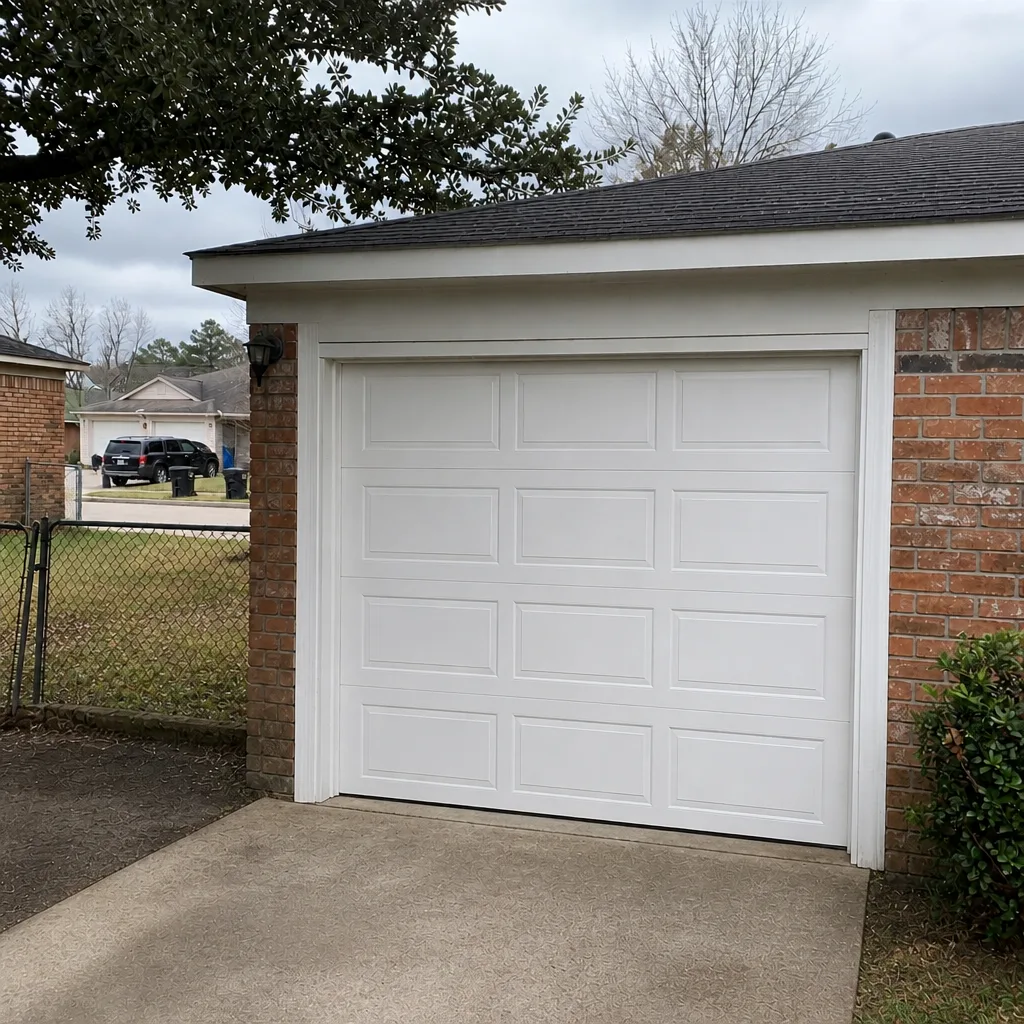
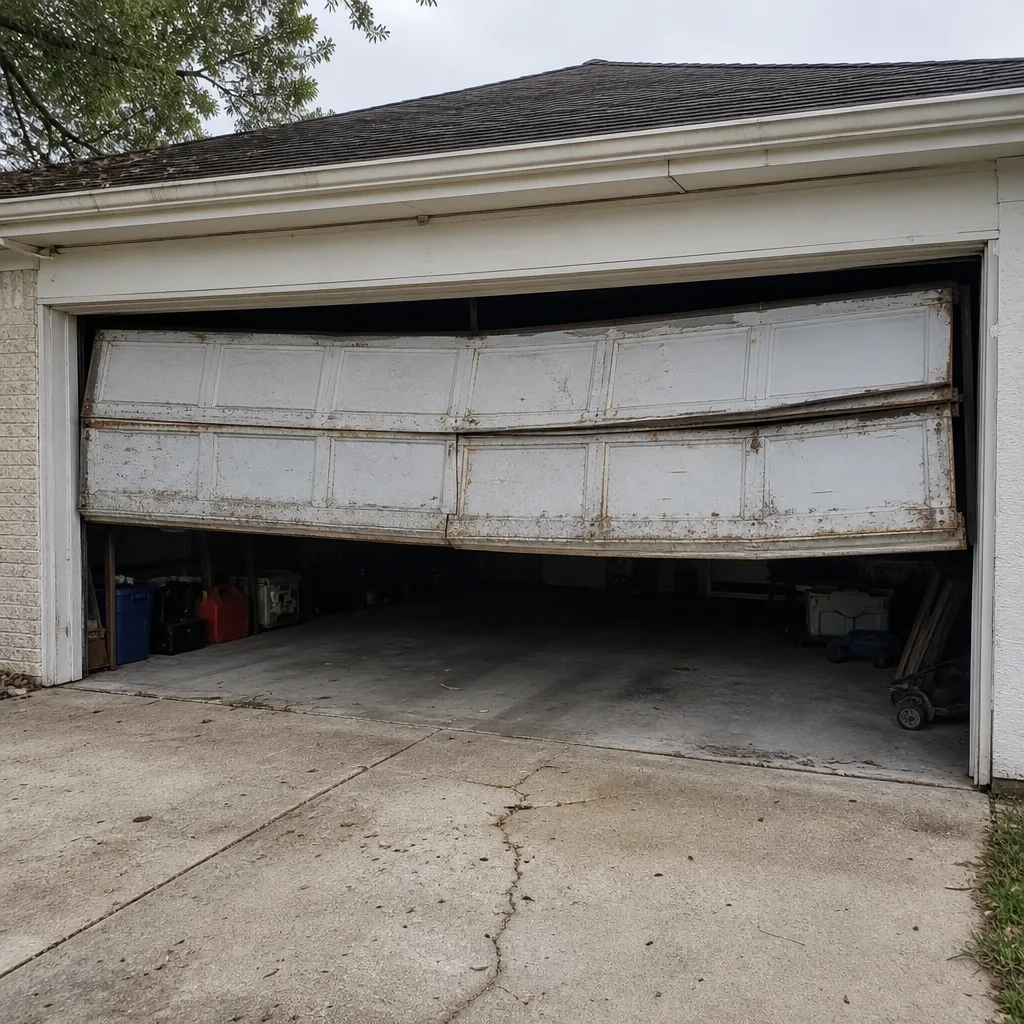
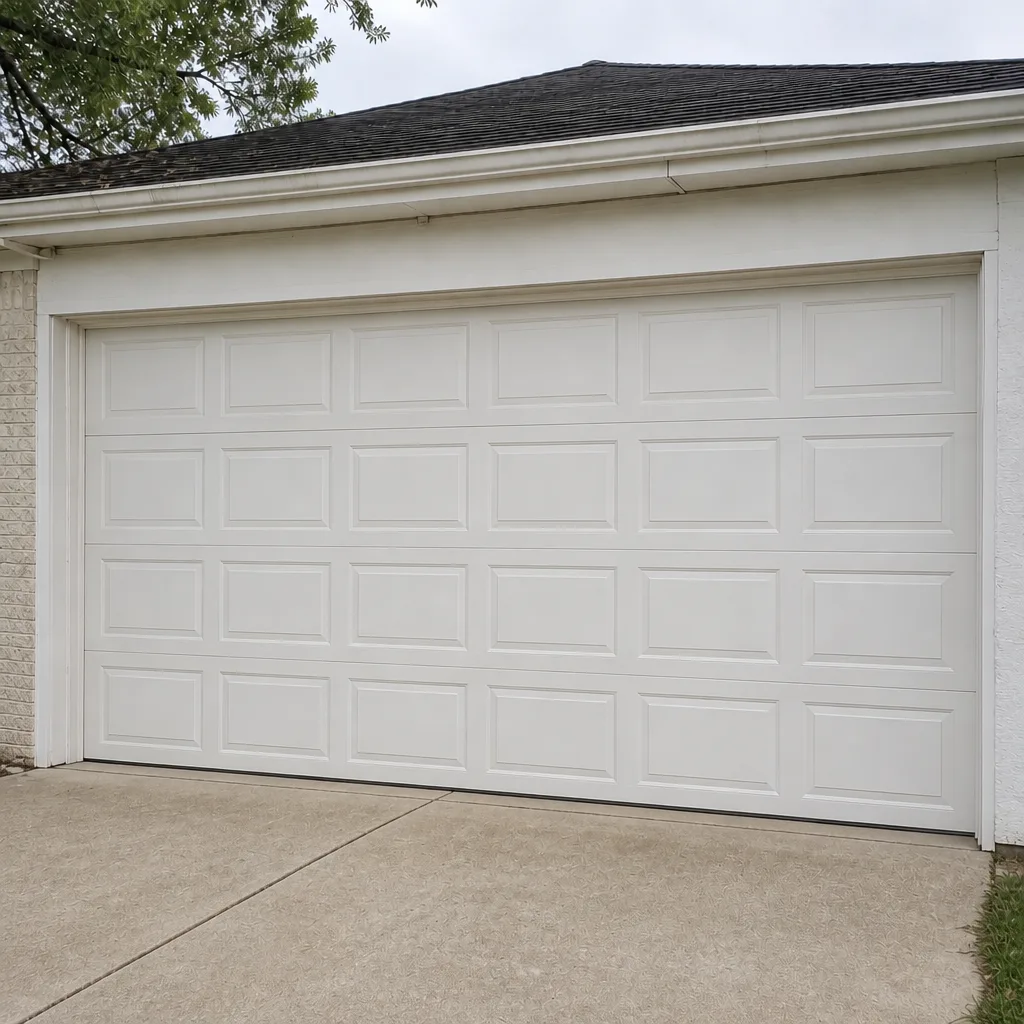
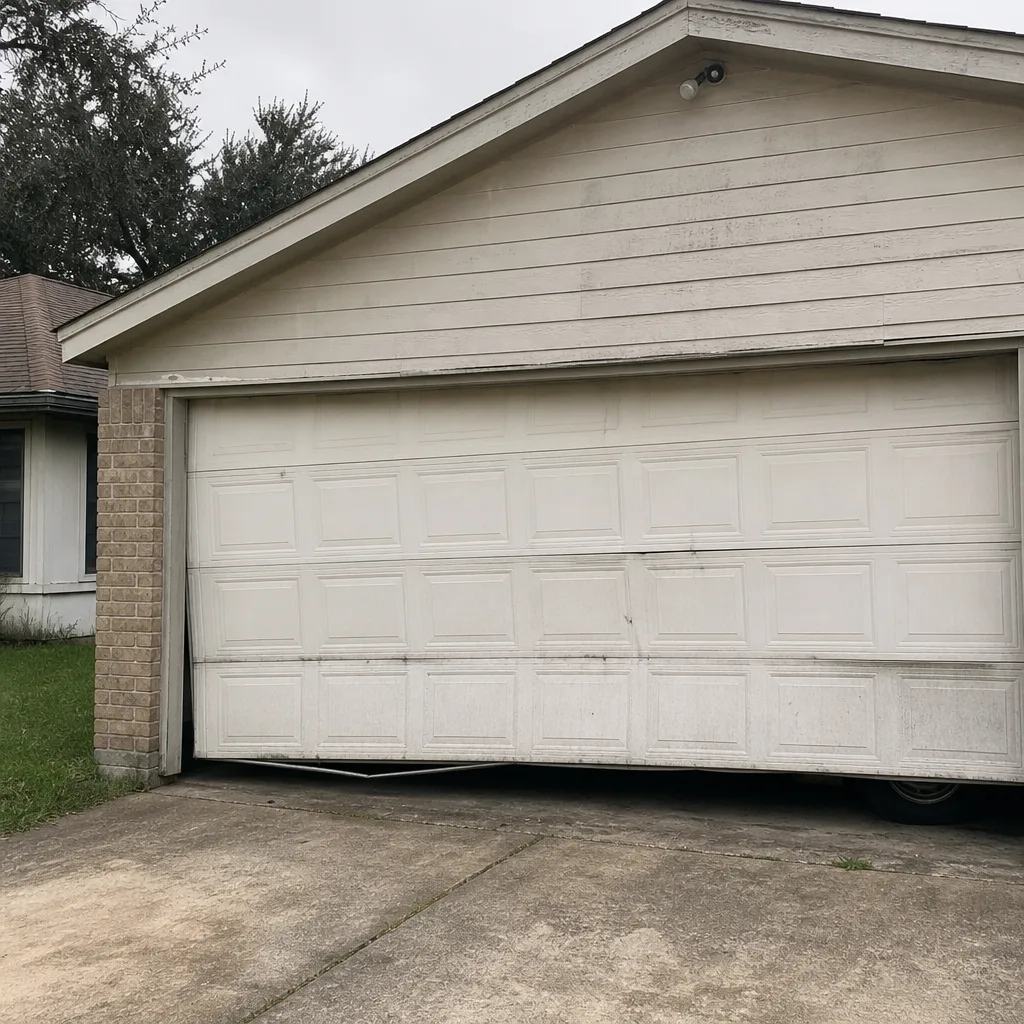
See the difference
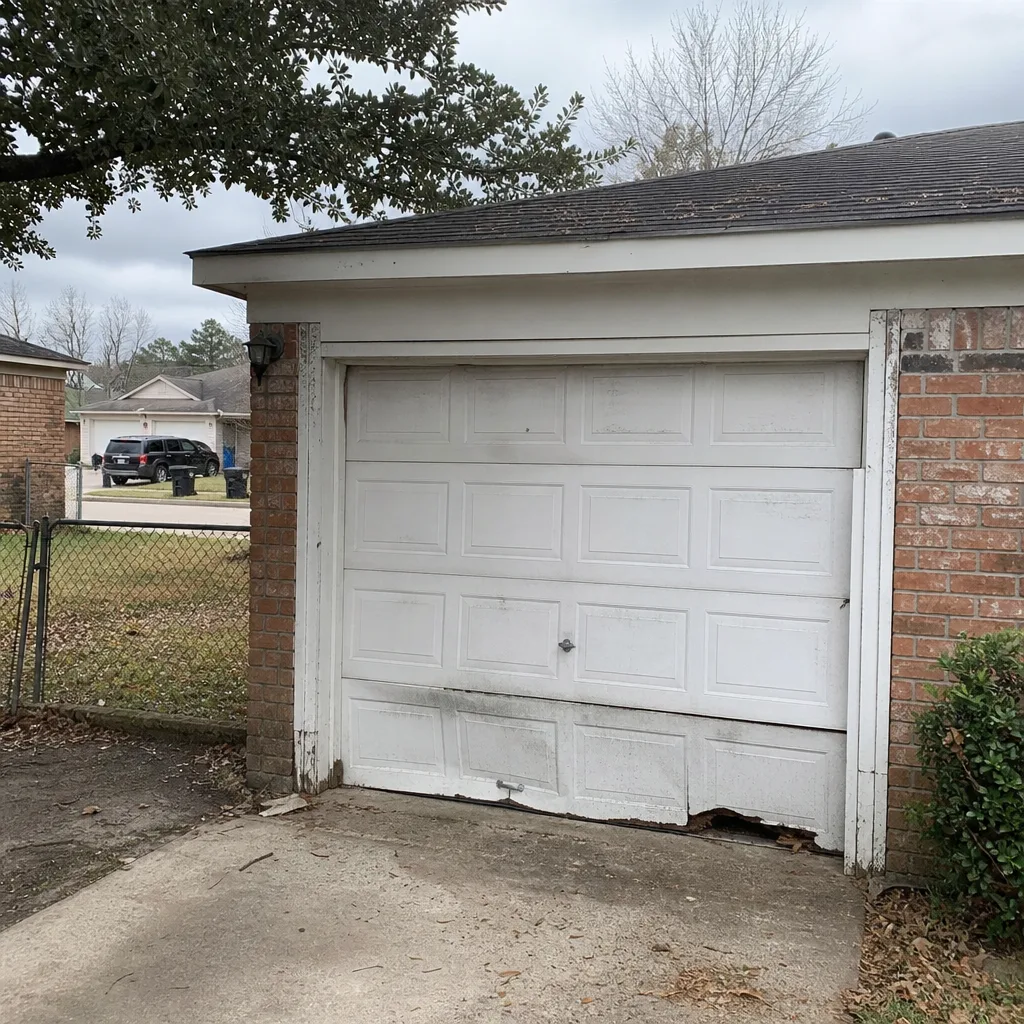 Before
 After
 Before
 After
 Before
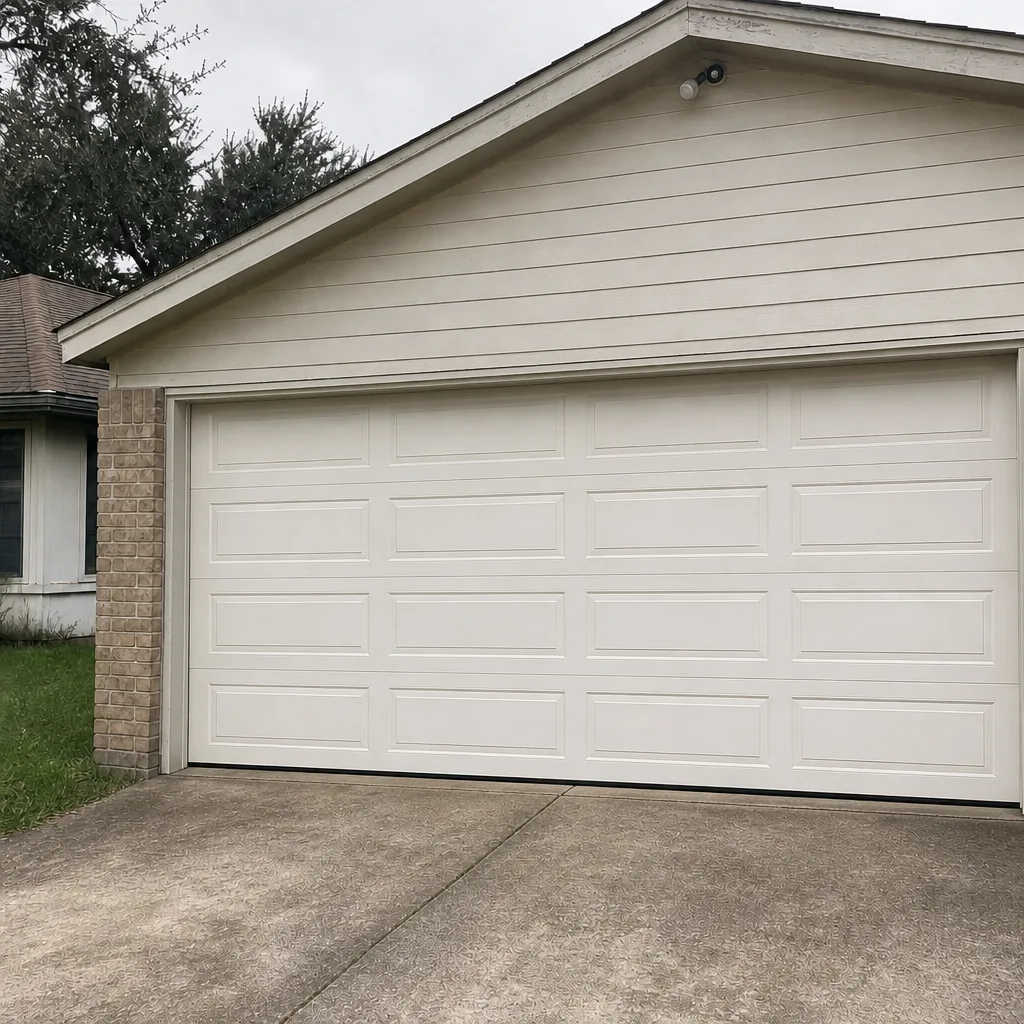 After
When to Call a Professional
Call a professional when the door won’t lift or is off its tracks, when a spring has snapped, when the opener reverses unexpectedly or the safety sensors won’t clear, when you’re planning a replacement that involves permit documentation, or when you’re doing due diligence on a home purchase and need to know whether the existing door matches its wind-load certificate. Spring work in particular is not a ladder-and-YouTube job; the components store serious energy and a wrong move can cause injury or damage to the door and the opening. Pasadena Garage Door Repair Co offers free estimates in Pasadena; call (855) 337-1170. We’re a garage door specialist, not a generalist handyman, and we can work through the permit side with you.
Frequently Asked Questions
Yes, in most cases. Replacing a full garage door, changing its size or opening, or installing a door in new construction typically requires a building permit through the City of Pasadena, and wind-load rated doors need the certificate filed with the permit. Like-for-like repair of springs, openers, tracks and hardware usually doesn’t require a permit. Confirm with the city’s building department for your specific address. If you’re not sure where to start, call (855) 337-1170 and we’ll talk it through with you.
You lose the paper trail that proves the new door meets the design wind rating. That matters at insurance claim time after a wind event, and it matters at resale when a buyer’s inspector or lender asks for it. In practical terms, the risk isn’t that the door fails. It’s that the documentation doesn’t exist to prove it won’t. Getting the permit and certificate in order before installation is far cheaper than retroactively permitting the work.
Find the door’s engineering label, note the manufacturer and model, then ask the City of Pasadena’s permit office for the permit record at your address and the attached wind-load certificate. Confirm the model number on the certificate matches the door on your home, and that the final inspection was signed off. If the record is missing, that’s worth a phone call to your insurer before hurricane season. If you’d like a second set of eyes on the door itself, call us at (855) 337-1170.
HOA approval usually comes first, before the door is ordered and before the city permit is pulled. That sequence avoids two problems: ordering a door the HOA later rejects, and letting the city permit expire while waiting on architectural committee review. Get HOA approval in writing, order the door, pull the permit, then install. If your installer can help coordinate with HOA requirements at measurement time, that shortens the whole timeline.
The inspector verifies that the door matches the permit and the wind-load certificate, that anchors and track installation follow the manufacturer’s spec, that the door operates smoothly by hand and by opener, and that the safety reverse and photo-eye sensor functions work. In our experience on Pasadena installations, the safety reverse test fails most often, and it’s usually a quick adjustment if a technician checks it before the inspection. Walk the door, test the reverse, and have the permit and certificate on site ready for the inspector.
The local pros we connect you with are licensed and insured as their state requires, and our technicians have up to 15 years of experience across the eight brands most often installed in Pasadena homes. Springs are under extreme tension and are not a DIY repair; on any spring or off-track issue, a trained professional should be the one on the ladder. Call (855) 337-1170 for a free estimate and a written price before work begins.
The Bottom Line
Permits for a garage door replacement in Pasadena, TX are less about the door and more about the record. The permit and the wind-load certificate are what prove, years later and after a storm, that the door on your home was rated for the wind it has to face. Repair work, including spring and opener service, usually stays exempt, but any change to the door itself is worth a call to the city. Get HOA approval first, order the door, pull the permit, install, inspect. Keep the certificate with the permit file, and send a copy to your insurer. If you need help sorting out the door side, Pasadena Garage Door Repair Co works through the whole process with you, from measurement to inspection.
Call (855) 337-1170 for a free estimate. We’ll walk the door, check the opener, review what the city will need, and put a written price in front of you before any work begins.
Written by the team at Pasadena Garage Door Repair Co.