Last updated November 21, 2026
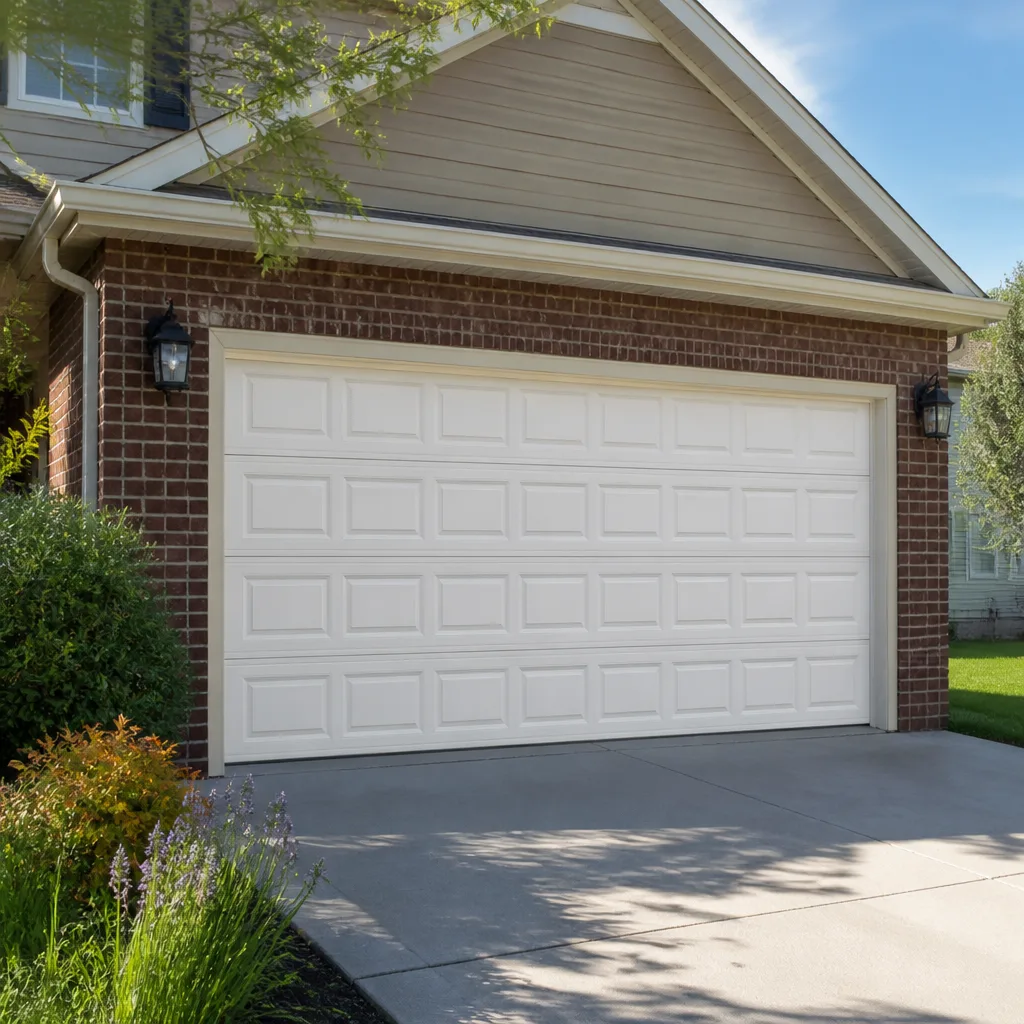 Raised-panel steel
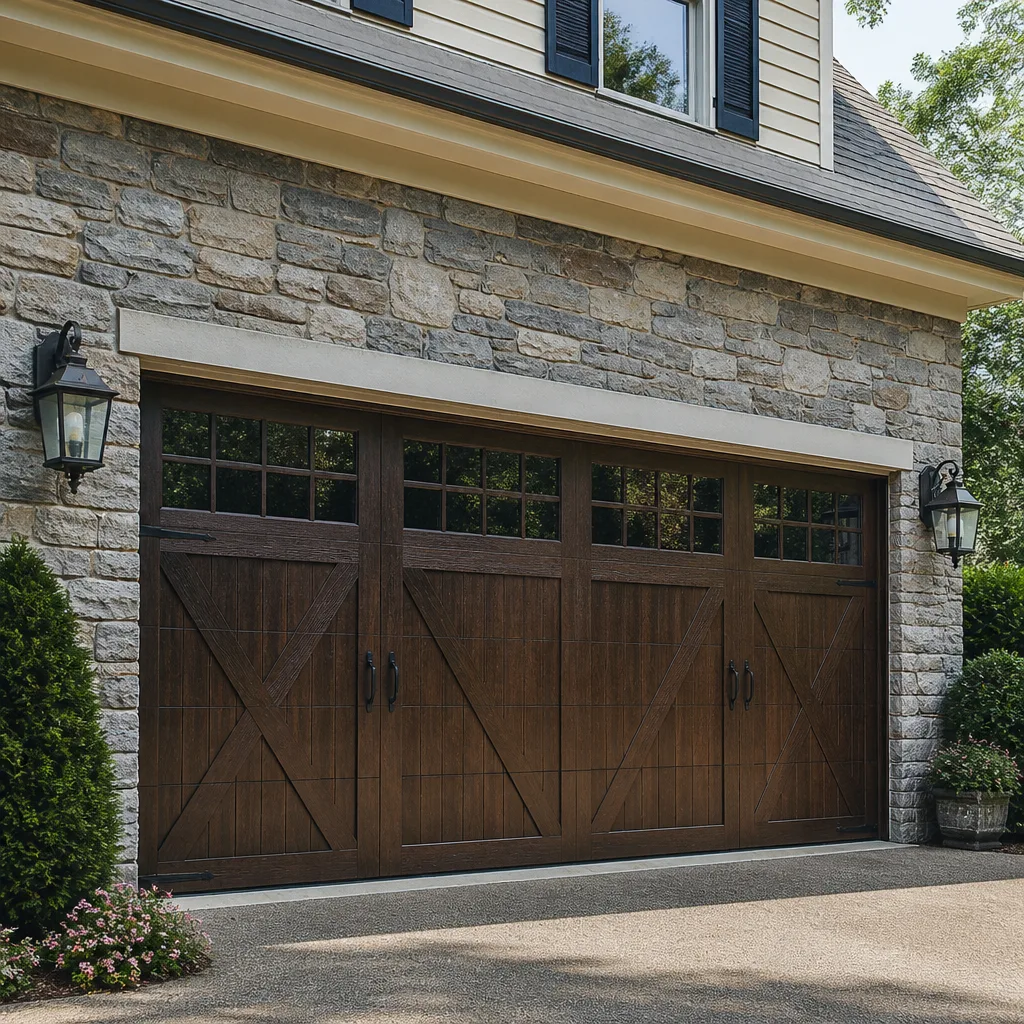 Carriage house
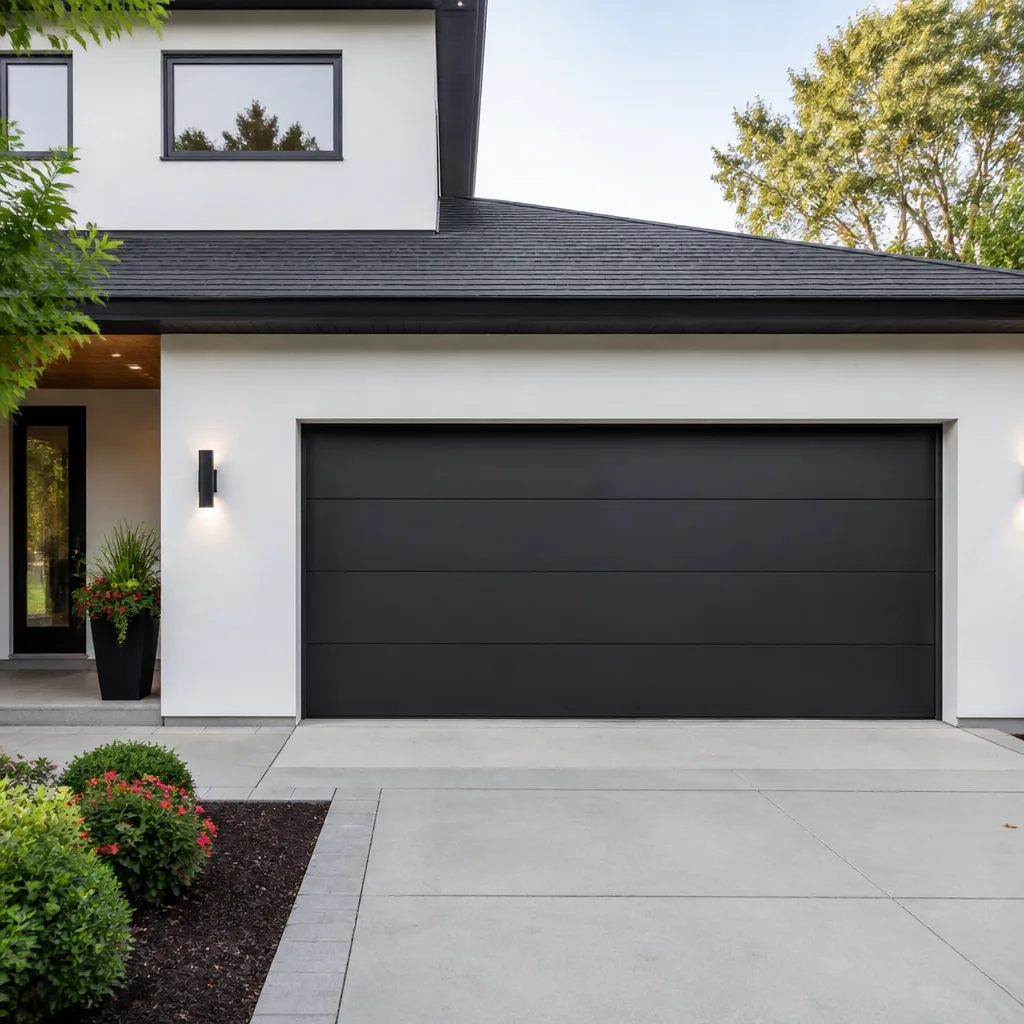 Modern flush
 Full-view glass
 LiftMaster openers
 Chamberlain openers
Full 25-point door and opener safety check with every visit - springs, cables, rollers, tracks, and your LiftMaster or Chamberlain opener included
You get a price before we start. It does not change when the pro arrives.
Get your free estimateGarage Door Repair Maintenance Checklist for Pasadena Homeowners
The standard “lubricate every six months” advice assumes a temperate climate. Pasadena isn’t that. Our summers run long and hot, our storms arrive in heavy bursts, and the humidity swings between a sticky 90% and a dry 40% depending on the week. A garage door maintained on a national-template schedule here will often show wear before the calendar says it’s due. What follows is a checklist built around the failures we actually see on Pasadena doors – which parts go first, how to inspect them safely, and the point where a job stops being a homeowner task. By the end you’ll have a 12-month plan tied to Pasadena’s seasons, not generic quarters.
Styles & brands we work with
- Raised-panel steel
- Carriage house
- Modern flush
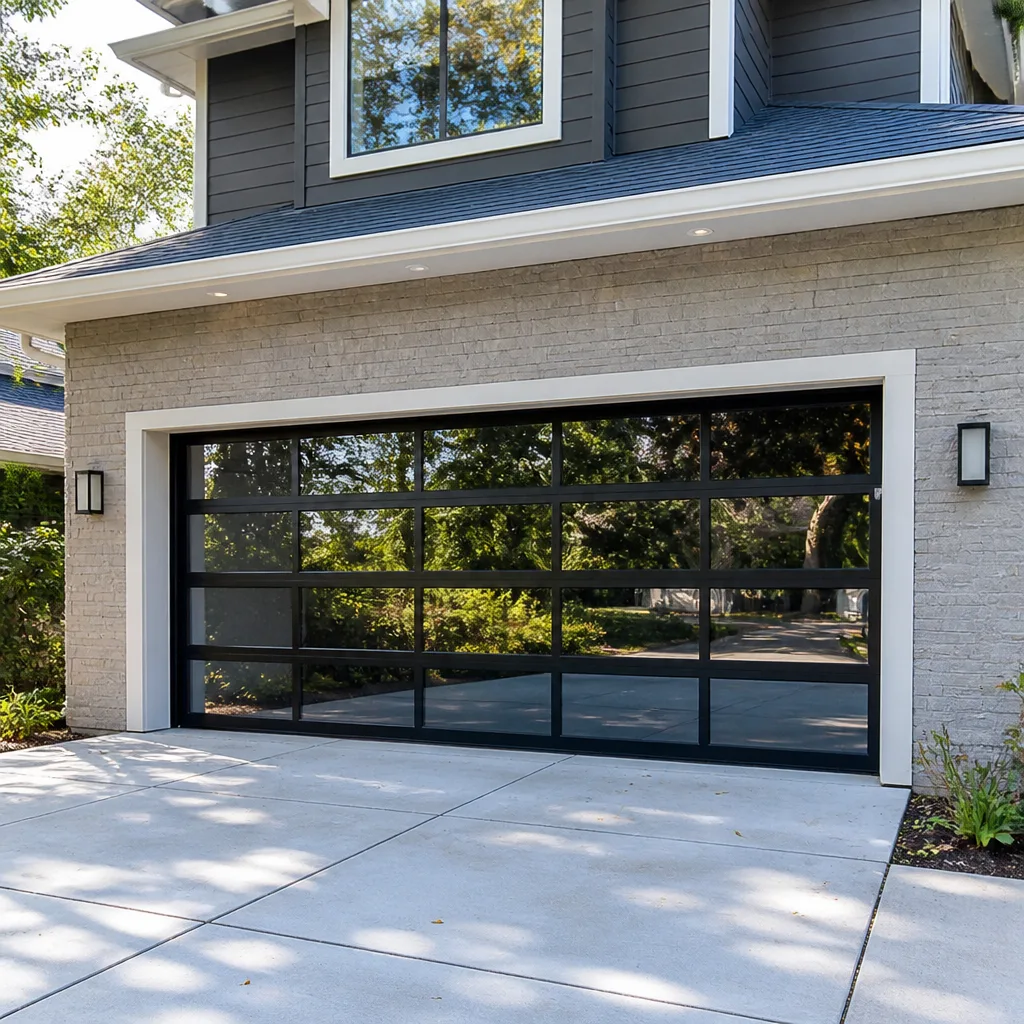
- Full-view glass
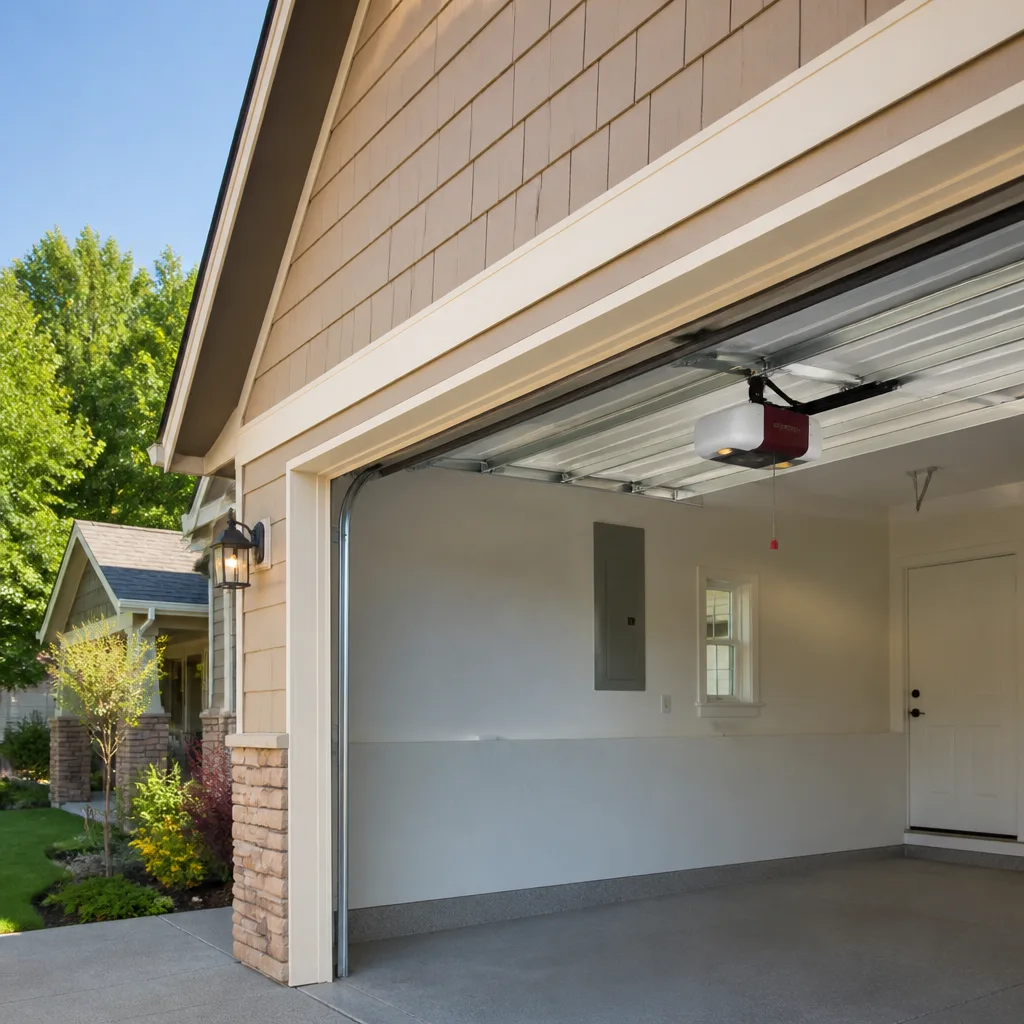
- LiftMaster openers
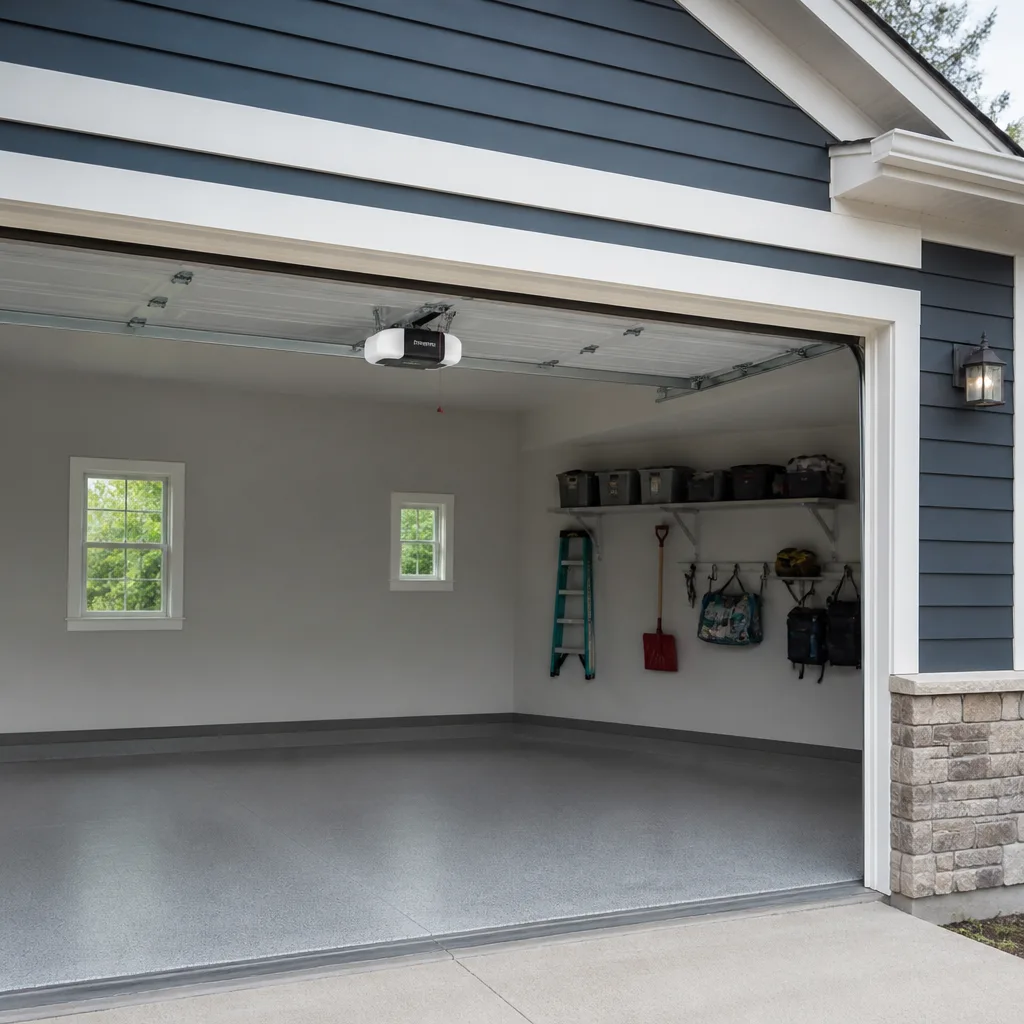
- Chamberlain openers
Quick Answer
For Pasadena, TX homes, inspect your garage door’s rollers, hinges, springs, and bottom seal every three months, not every six. Lubricate moving metal parts with a lithium- or silicone-based formula rated for high heat, test the bottom seal against water intrusion after any heavy rain, and never touch the torsion springs yourself. Springs, cables, and opener electrical work belong to a trained technician – those are the three jobs that cause the most serious injuries when homeowners attempt them.
Table of Contents
- Why Pasadena Doors Need a Different Checklist
- The Three Failures That Cause Most Pasadena Service Calls
- The Monthly 10-Minute Walk-Around
- The Quarterly Deep Inspection
- Which Lubricants Survive Pasadena Heat (and Which Make It Worse)
- Spring Tension: What You Can Safely Check and Where It Stops
- Testing the Bottom Seal Against Pasadena Rain
- Your 12-Month Pasadena Maintenance Calendar
- Opener and Smart-Home Checks
- Common Mistakes to Avoid
- When to Call a Professional
- Frequently Asked Questions
- The Bottom Line
Why Pasadena Doors Need a Different Checklist
Most online garage door checklists were written for a climate that gets cold winters and mild summers. Pasadena gets the opposite. Summer afternoons push past 100°F with regularity, and the air holds enough moisture that a garage can feel like a sauna even with the door closed. That combo does two things to your door: it accelerates grease breakdown in the moving parts, and it works the wood and metal of your door’s frame in ways that open small gaps. Those gaps let in rain, insects, and humid air – which then rusts hinges and swells wood panels.
On top of the heat, Pasadena is in hurricane country. From June through November, wind-driven rain and the occasional named storm test every seal, track, and anchor point on your door. A door that’s been quietly loosening all summer can fail during the first real storm of the season. Our point here isn’t to scare you – it’s that the failure timeline in this part of Texas is compressed. Whatever interval the manufacturer of your Clopay or Amarr door recommends, cut it shorter. We use three months as the baseline for Pasadena homes and tighten to six weeks during storm season if the door faces south or west.
If you’re already noticing a door that sticks, rattles, or runs rough, the checklist below still applies – but you may want to start with a diagnostic visit. Our Pasadena Garage Door Repair Co team can tell you in one visit whether you’re looking at normal wear or something that needs repair now.
The Three Failures That Cause Most Pasadena Service Calls
In our experience across Pasadena, three problems account for the large majority of calls we take. Understanding them shapes the entire checklist that follows.
- Spring fatigue and breakage. Torsion springs cycle once every time the door opens and closes, and the count adds up faster than most homeowners realize. Heat accelerates the wear. A spring that was rated for 10,000 cycles might give you closer to 7,000 or 8,000 in Pasadena’s summer conditions. When it snaps, the door becomes unmovable by hand and often drops hard on the opener arm. This is the most common call we take and the most dangerous to fix alone.
- Bottom seal and weatherstripping failure. The rubber seal at the bottom of your door is the first line of defense against rain intrusion. In Pasadena’s heat it hardens, cracks, and loses its spring-back. Once it stops compressing against the floor, water gets in during the next heavy storm. That water rusts the bottom brackets and, on wood doors, rots the bottom panel.
- Roller and hinge wear. Nylon rollers in Pasadena last about half as long as they do in cooler climates before they flatten and start dragging. Steel rollers rust at the bearing. Either way, the symptom is a door that gets loud and starts binding on the track.
Each of these is a “catch it early” problem. Caught at the first sign, most fixes are inexpensive. Caught after a break, they cost more and take longer. That’s the whole reason this checklist exists – to move the diagnosis earlier. If your door is already past the point of prevention, our garage door repair team handles same-day calls for exactly these kinds of failures.
The Monthly 10-Minute Walk-Around
Do this once a month. It takes ten minutes and catches most developing problems before they turn into repairs.
- Open and close the door and listen. A healthy door is quiet and steady. Grinding, squealing, or a rhythmic thud means something needs attention.
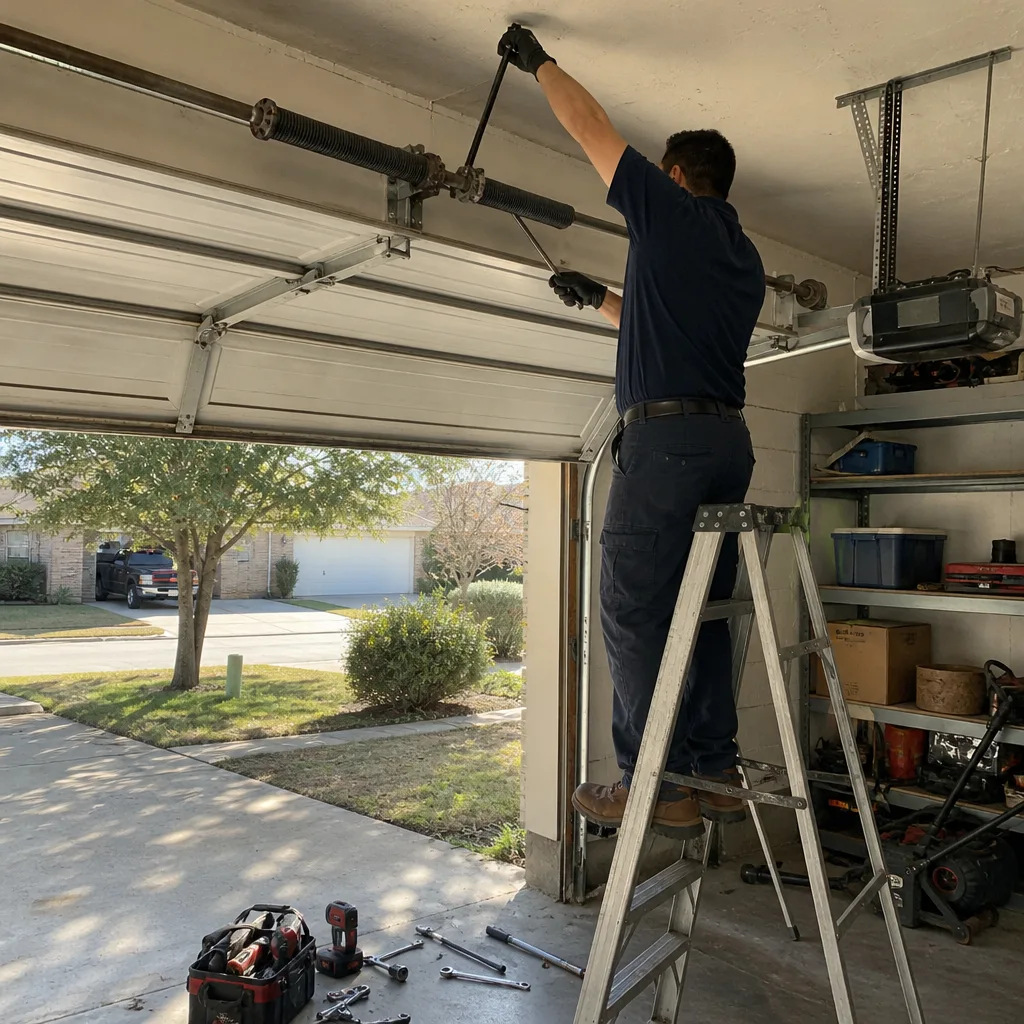
- Look at the springs. Torsion springs sit horizontally on a shaft above the door. Extension springs run alongside the horizontal tracks. Look for a visible gap in the coil or a sagging section. If you see either, stop – don’t run the door again. Call us.
- Check the cables. The steel cables on each side should look straight and tight. Fraying, kinks, or a cable resting off its drum is a safety issue. Don’t touch it.
- Wiggle the rollers. Each roller should sit snug in its hinge with a bit of play. If a roller wobbles freely or spins rough, it’s worn.
- Look for rust. Check hinges, bottom brackets, and the bottom panel of the door. Rust means moisture is reaching those parts – a sign your seal or weatherstripping has failed.
- Test the safety reverse. Place a roll of paper towels under the door in its closing path. When the door meets the roll, it should reverse immediately. If not, call us – a door that won’t reverse is a genuine hazard.
- Test the photo-eye sensors. Wave your hand across the sensors at the base of the door while it’s closing. It should reverse. If either sensor’s light is off or flickering, check for cobwebs or dirt before calling.
Keep a small notebook in the garage. Write down what you checked and what you noticed. When you do call, a written history helps any technician diagnose faster, and after a year you’ll see pattern that tells you which parts are aging.
The Quarterly Deep Inspection
Every three months, add these steps to the monthly walk-around. Quarterly is also the right rhythm for actually lubricating (not just checking) the moving parts, which we cover in the next section.
- Balance test. Close the door. Pull the opener’s manual release cord so the door is disconnected. Lift the door halfway by hand. It should stay put at the halfway point with no help. If it slides down, springs are losing tension. If it rises on its own, springs are too tight. Reconnect the opener when done.
- Track alignment. Stand at the door and look up each vertical track. They should look perfectly parallel. A visible bend, even a small one, will cause the rollers to bind.
- Hinge screws. Check each hinge and bracket bolt with a screwdriver. Loose hardware is the most common cause of noisy doors and one of the easiest things to fix.
- Weatherstripping on the sides and top. The rubber strips around the door frame should sit flat against the door when it’s closed. Gaps or cracks send water in sideways during windy storms.
- Paint or finish. On wood doors, touch up paint at the bottom edge and around hardware. A pinhole of exposed wood in Pasadena’s humidity becomes a soft spot within a season.
- Opener force test. Set the opener force to the lowest setting that still lifts and lowers the door reliably. Higher settings mask problems and increase injury risk.
If the quarterly inspection turns up something you’re unsure about – a spring that looks slightly worn, a track that seems slightly off – photograph it and call us. We can often tell from a photo whether it needs a visit. There’s no charge for that conversation.
Which Lubricants Survive Pasadena Heat (and Which Make It Worse)
This is where most checklists go generic and get it wrong for Pasadena. The problem isn’t that people don’t lubricate – it’s that they use the wrong product, and in our summer heat the wrong product does more harm than good.
What to use: A white lithium grease or a silicone-based spray lubricant on hinges, rollers, and the torsion spring shaft. Both hold up to 100°F without thinning out or gumming. For the torsion spring itself (the coiled wire, not the shaft), a silicone spray is the right call – it penetrates the wire and won’t attract grit.
What not to use:
- WD-40 (standard formula). It’s a solvent and light oil, not a lubricant. In Pasadena heat it evaporates within days, and worse, it can wash away the thicker grease that was actually doing the work. It also does nothing to prevent rust.
- Heavy grease or motor oil. In cooler climates, these stay put. In Pasadena, they melt and drip, and they collect dust and grit that grinds the rollers.
- Graphite powder. Fine for interior locks, wrong for garage doors here. In humid air it cakes and turns into an abrasive paste.
- Anything labeled “penetrating oil.” Penetrating oils are for loosening seized bolts, not for ongoing protection. They don’t stay put.
Apply lubricant with a rag under the area to catch drips, and use short bursts. You’re coating, not soaking. Don’t lubricate the tracks themselves – the tracks should be clean and dry, and any oil there becomes a dust magnet.
Spring Tension: What You Can Safely Check and Where It Stops
Springs are the most dangerous part of any garage door. A torsion spring under load stores enough energy to cause serious injury or worse when it releases unexpectedly. We want to be direct: the checks below are visual and by ear only. They do not require tools. Everything beyond them requires a trained technician with proper winding bars and training – and that’s not an exaggeration.
What you can safely check
- Visual gap test. With the door closed, look at the torsion springs above the door. A spring with a visible gap in its coil is broken. Don’t run the door again – call us.
- Sound test. If the door opens with a loud “POP” and then feels unreasonably heavy when you lift it by hand (with the opener disconnected), a spring has likely failed.
- Balance test (as above). A door that won’t stay at halfway has spring tension problems.
- Cycle count estimate. If you know the approximate cycle rating of your springs (stamped on the spring or in the door manual), estimate your daily cycles. Most Pasadena homes do 4-8 cycles a day. If you’re approaching 70% of the rating, start planning a replacement.
Where it stops
Adjusting tension, replacing springs, or cutting into the spring assembly all require the door to be de-tensioned safely and re-wound to the correct turns. That’s not a homeowner job, no matter how many videos explain it. If a spring is broken or tension is off, that’s where our garage door spring repair team takes over. We handle both torsion and extension systems, and we can usually get a broken door back up the same visit.
Testing the Bottom Seal Against Pasadena Rain
The bottom seal is the most overlooked part on every homeowner checklist we’ve seen, and it’s the one that matters most in Pasadena. Our storms don’t arrive as gentle drizzle – they arrive as heavy, wind-driven downpours that find every gap. A compromised bottom seal means water pooling under the door, rusted bottom brackets, and – on wood doors – a rotting bottom panel that costs far more to fix than a seal would have cost to replace.
The paper test
Close the door fully. Take a standard sheet of paper and try to slide it under the door at five points: both corners, both quarter points, and dead center. At each point, you should feel resistance – the seal should grip the paper slightly. If the paper slides through without resistance at any point, the seal isn’t compressing there.
The water test
After the next rain, look for water on the garage floor immediately inside the door line. Any pooling means a failed seal. Also look for dampness inside the bottom panel of the door and around the bottom brackets.
What to look for visually
- Hardening. A seal that feels stiff, not rubbery, has lost its ability to spring back.
- Cracking. Any splits in the rubber, even hairline ones, will leak within a season.
- Compression set. A seal that’s flattened where it meets the floor and stays flattened has lost its memory.
- Gaps at corners. Corners are where most water enters. Check them closely after every storm.
A standard rubber bottom seal lasts 3-5 years in Pasadena. If yours is older than that, plan on replacing it even if it looks intact. The seal costs a fraction of what water damage does.
Your 12-Month Pasadena Maintenance Calendar
Rather than generic quarters, this calendar ties to Pasadena’s actual seasons – the lead-up to hurricane season in late spring, the peak heat of mid-summer, and the storm-heavy fall. Post this on your garage wall.
January – February (cool, dry)
- Full quarterly inspection (see above).
- Lubricate all hinges, rollers, and spring shaft with white lithium or silicone.
- Balance test the door.
- Touch up paint on exterior wood door edges.
March – April (warming, first storms)
- Monthly walk-around.
- Paper test on the bottom seal – this is the right time to replace if it’s questionable.
- Check weatherstripping on sides and top.
- Inspect cables for fraying.
May (pre-hurricane season – critical)
- Full pre-storm inspection.
- Test all photo-eye sensors and safety reverse.
- Check track alignment and anchor bolts.
- Verify the door is rated for wind exposure if you’re unsure. If your Pasadena home has an older single-panel door, this is a good time to talk to a specialist about whether it’s rated for storm winds.
- Lubricate everything.
June – August (peak heat, peak storms)
- Monthly walk-around, tightened to every three weeks if the door faces south or west.
- Look for dried-out or cracking seals and lubricants that have burned off.
- Re-lubricate rollers and hinges – Pasadena heat will burn through a single annual application.
- Watch the springs – heat is the single biggest accelerant of spring fatigue here.
September – October (storm season climax)
- Full post-summer inspection.
- Water test the bottom seal after the next heavy rain.
- Check all hardware for rust and looseness.
- Test opener force and safety reverse.
November – December (cooling down)
- Full quarterly inspection.
- Fresh lubrication for the cooler season.
- End of year: consider a professional inspection if you haven’t had one – catches what you can’t see.
- Review your notebook – plan any replacements for the coming year.
If you want a printed copy of this calendar with boxes to tick, call us at (855) 337-1170. We’ll send one over.
Opener and Smart-Home Checks
Your opener doesn’t usually fail suddenly. It gives warning signs, and catching them early saves the cost of a replacement. Here’s what to check each quarter – and if you have a LiftMaster MyQ, Chamberlain, or Genie Aladdin system, add the connectivity checks too.
- Force adjustment. Test by placing a roll of paper towels under the door as it closes. It should reverse on contact. If it doesn’t, reduce the force setting.
- Battery in the remote. Replace yearly. A weak battery mimics a failing opener.
- Wi-Fi connectivity (smart openers). If your opener’s app shows the door as offline, first check the router. If the router is fine and the app still shows offline, the Wi-Fi module in the opener may need a reset or repair.
- Sensor alignment. Clean the photo-eye lenses. Both should have a solid (not blinking) light when the door is in the open position.
- Chain or belt tension. Look at the rail. The chain or belt should be snug, not sagging.
- Backup battery (if equipped). If your opener has a battery backup, test it by unplugging the opener and cycling the door. If the door opens on battery, the battery is good.
When a smart opener stops responding, the problem is sometimes mechanical – a binding door is too heavy for the opener to lift, and the opener weakens over time trying. Other times it’s the board or the Wi-Fi module. Our garage door opener repair team works on LiftMaster, Chamberlain, Genie, and Craftsman systems regularly and can usually sort out whether the fix is mechanical or electronic in one visit.
Common Mistakes to Avoid
- Lubricating the tracks. This is the single most common mistake. The tracks should be clean and dry. Oil there collects grit, which grinds the rollers and creates a black gummy mess that takes an hour to clean out.
- Using WD-40 as a lubricant. It’s a solvent, not a lubricant. In Pasadena heat it evaporates within days and can leave the door rougher than before.
- Ignoring the bottom seal. Most Pasadena water intrusion starts here. A $40 seal replacement saves hundreds in rot and rust down the road.
- Tightening the springs yourself. Springs hold enormous stored energy. If you’re not trained, the correct move is to stop and call. We’ve seen enough injuries to say this clearly – it’s not worth the risk.
- Skipping the quarterly balance test. The balance test is the single fastest way to know your springs are on the way out. Skipping it means you find out when the spring breaks – often with the car stuck inside.
- Using the wrong lubricant on the spring. Standard grease on the torsion spring attracts grit and speeds wear. Use silicone spray on the spring itself.
- Filing away the manufacturer’s manual. Your door’s manual tells you the specific service intervals for your model. Generic advice doesn’t replace it.
When to Call a Professional
Most of what’s above is homeowner work. A small set of jobs is not, and those jobs are exactly where injuries happen when homeowners try anyway. Call us if:
- A torsion or extension spring is broken, visibly cracked, or has lost tension.
- A cable is frayed, kinked, or off its drum.
- The door has come off the track or is jammed halfway.
- The opener runs but the door doesn’t move.
- Any part of the door has failed the balance test.
- The door won’t reverse when it meets an object.
- You hear any sound you can’t identify.
Pasadena Garage Door Repair Co offers free estimates in Pasadena – call (855) 337-1170. We work on equipment from eight major brands including LiftMaster, Chamberlain, Genie, Clopay, Amarr, Wayne Dalton, Craftsman, and Raynor, so we’re familiar with nearly every system a Pasadena homeowner is likely to have. Our technicians have up to 15 years of experience, and we can usually diagnose and fix a door on the same visit.
Frequently Asked Questions
Every three months for inspection, and every month for the quick walk-around. Pasadena’s heat and humidity wear parts faster than cooler climates, and storm season adds extra stress from June through November. Cut that to six weeks during peak storm season if the door faces south or west.
No. Torsion and extension springs store enormous energy and can cause serious injury if they release unexpectedly. Repairs require proper winding bars, training, and the correct technique for de-tensioning the door safely. This is one of the few jobs in home maintenance that consistently causes injuries when done without professional training – call us instead.
Pasadena heat thins lubricant faster than in cooler climates, and the metal parts expand. The combination makes rollers and hinges run dry and drag more. Re-lubricating with white lithium or silicone in June and again in August usually quiets it. If it stays loud, worn rollers are likely the cause – call us and we’ll take a look.
Do the paper test: close the door and slide a sheet of paper under it at five points. If it slides through without resistance anywhere, the seal isn’t compressing. Also check for hardening, cracking, or water pooling inside the door line after rain. A rubber seal typically lasts 3-5 years in Pasadena.
Not necessarily. First check your home router – most “offline” alerts are router issues, not opener failures. If the router is fine, try resetting the opener’s Wi-Fi. If it still shows offline, the module or board may need repair. We service LiftMaster MyQ, Chamberlain, Genie Aladdin, and Craftsman systems and can usually sort it out in one visit.
The quarterly balance test and the monthly look at the springs. Together they catch spring wear – the most common and most dangerous Pasadena garage door failure – before a spring snaps. If you only do one thing, do the balance test every three months.
The Bottom Line
Pasadena’s heat and storm season compress the maintenance timeline on a garage door. A national-average “every six months” schedule lets rollers wear, seals fail, and springs fatigue before you catch them. The checklist above – monthly walk-around, quarterly deep inspection, pre-hurricane-season check in May, and post-summer check in September – catches the three failures that cause most Pasadena service calls before they strand you with a door you can’t open or a garage that floods. Lubricate with silicone or white lithium, test the bottom seal after every heavy rain, and never touch the springs. Call us if anything looks wrong. We can usually tell you from a photo whether it needs a visit.
For help with any part of this checklist, or to schedule a free estimate, call Pasadena Garage Door Repair Co at (855) 337-1170. We handle repair, opener diagnostics, spring replacement, and new door installation across Pasadena, and we’re available for emergency service when a door simply can’t wait.
Written by the team at Pasadena Garage Door Repair Co.
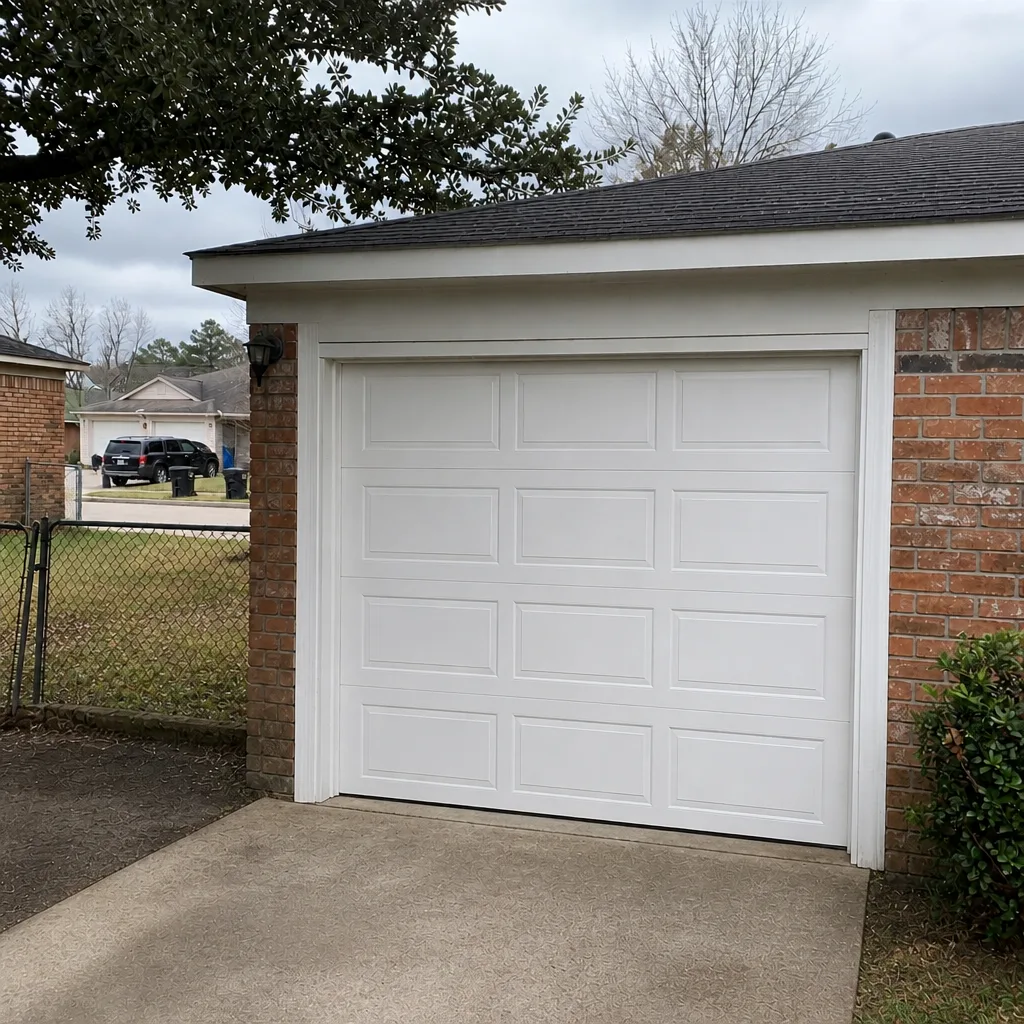
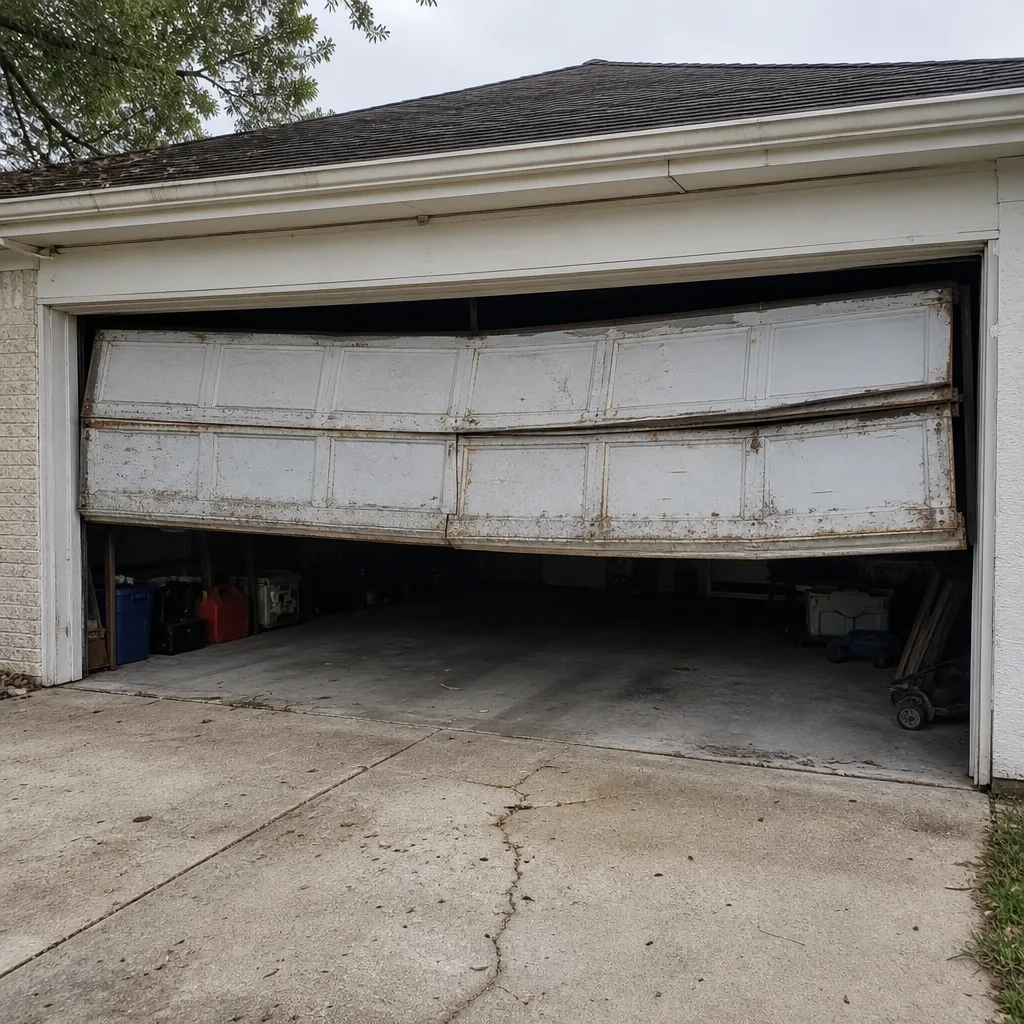
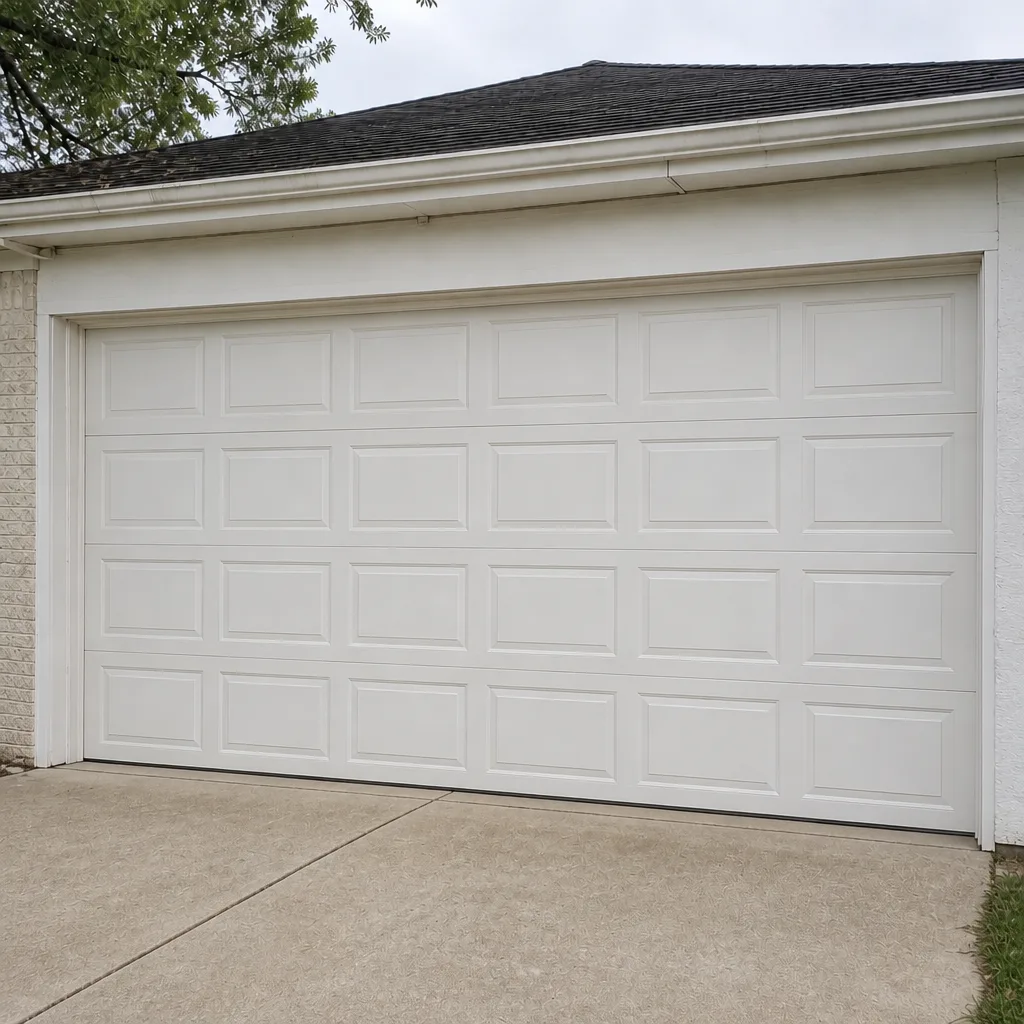
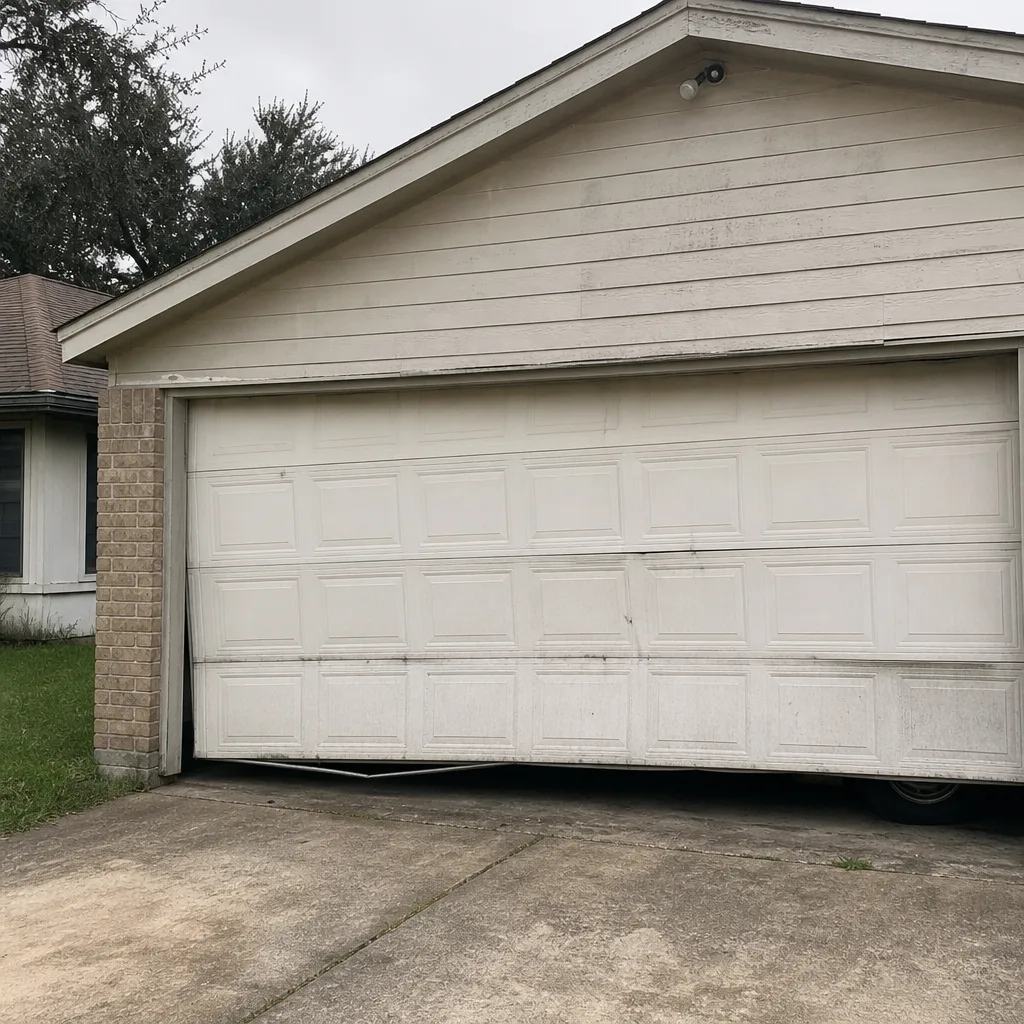
See the difference
 Before
 After
 Before
 After
 Before
 After