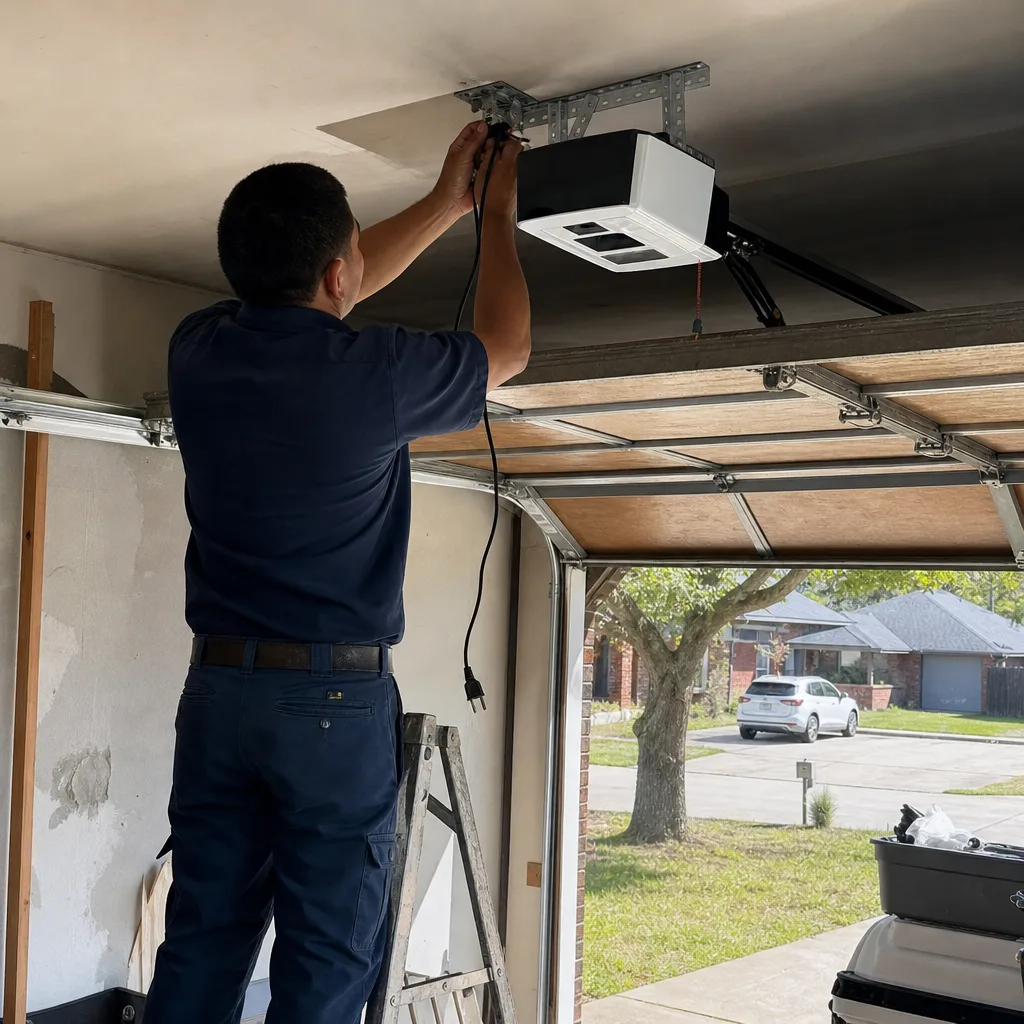
Last updated November 21, 2026
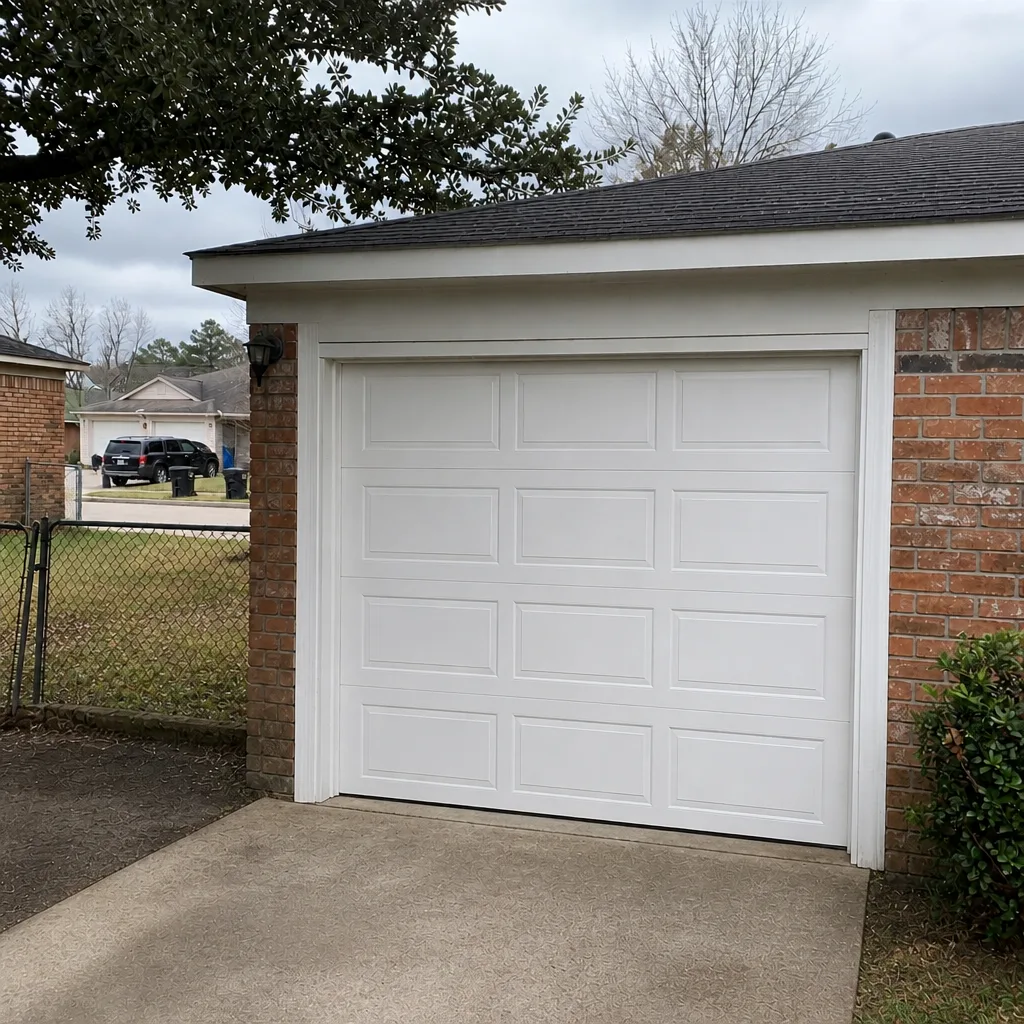
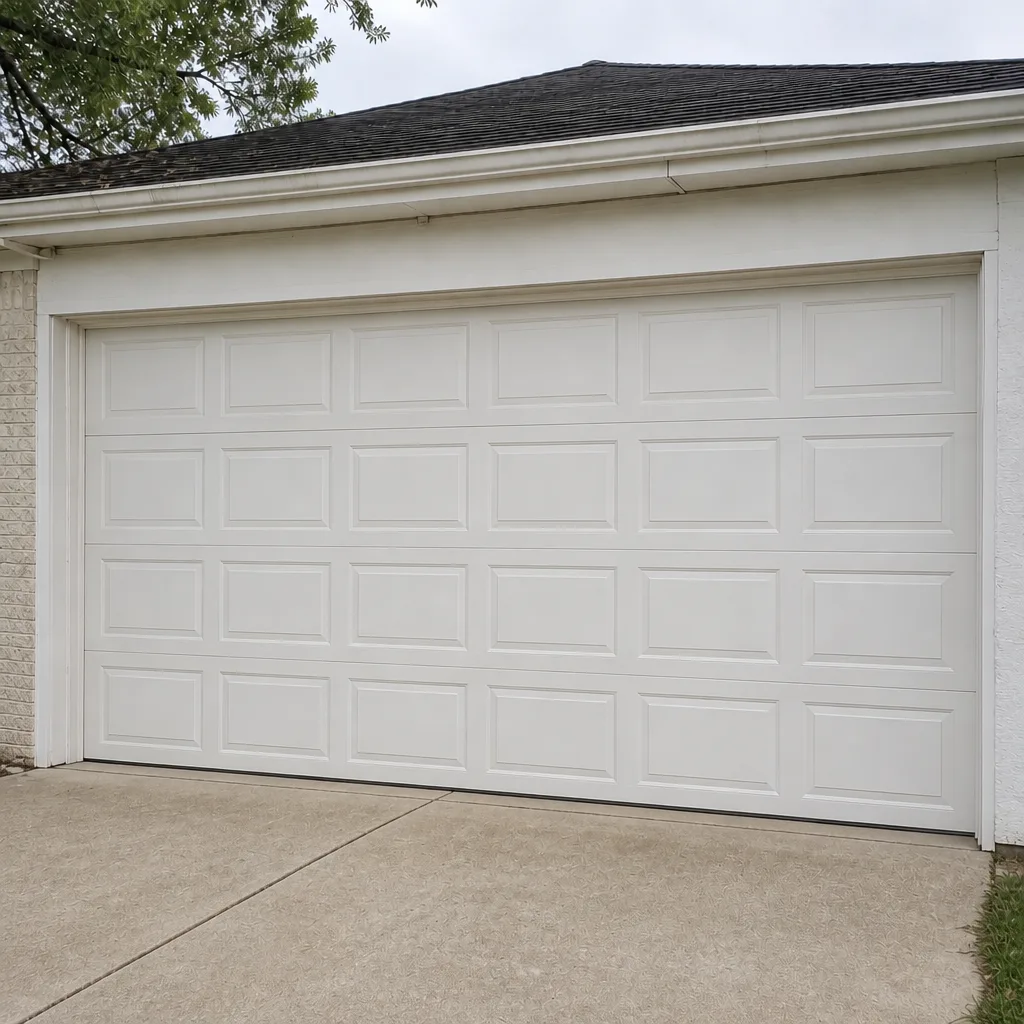
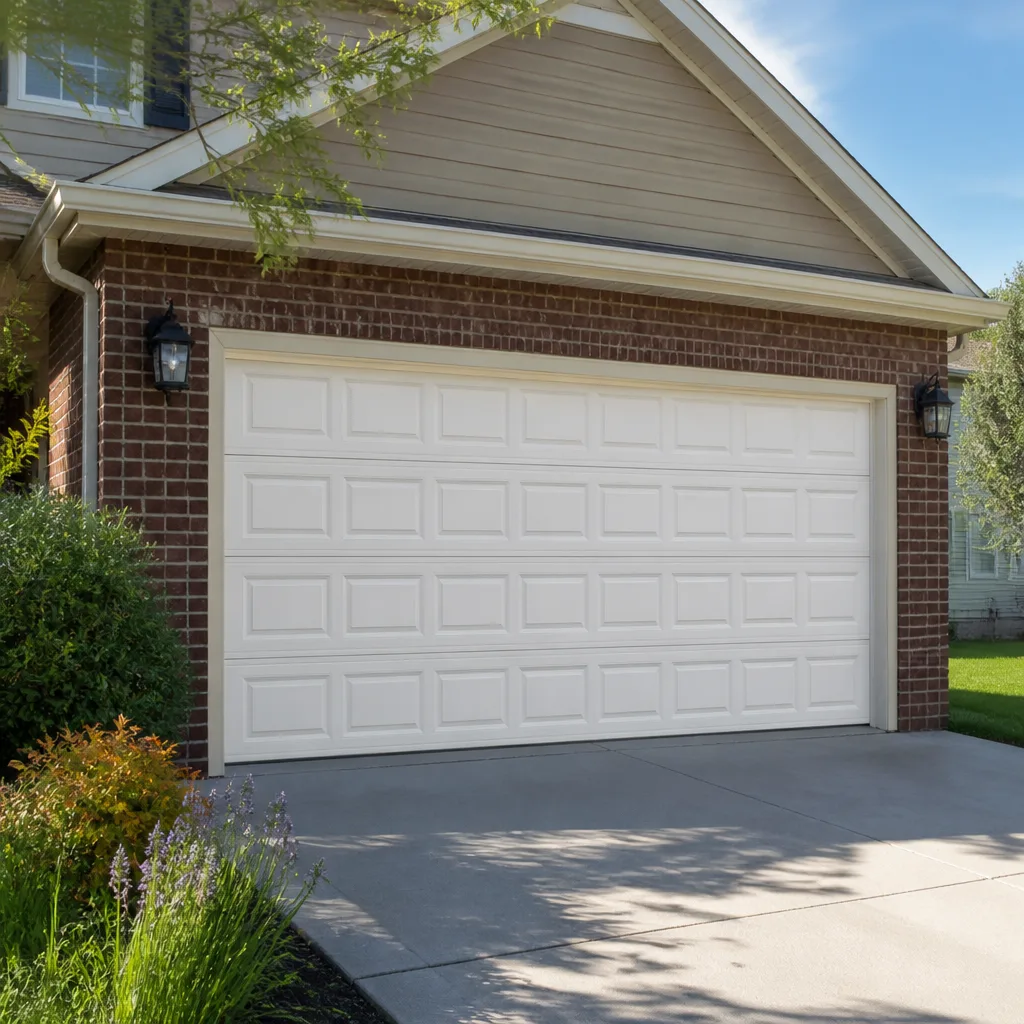 Raised-panel steel
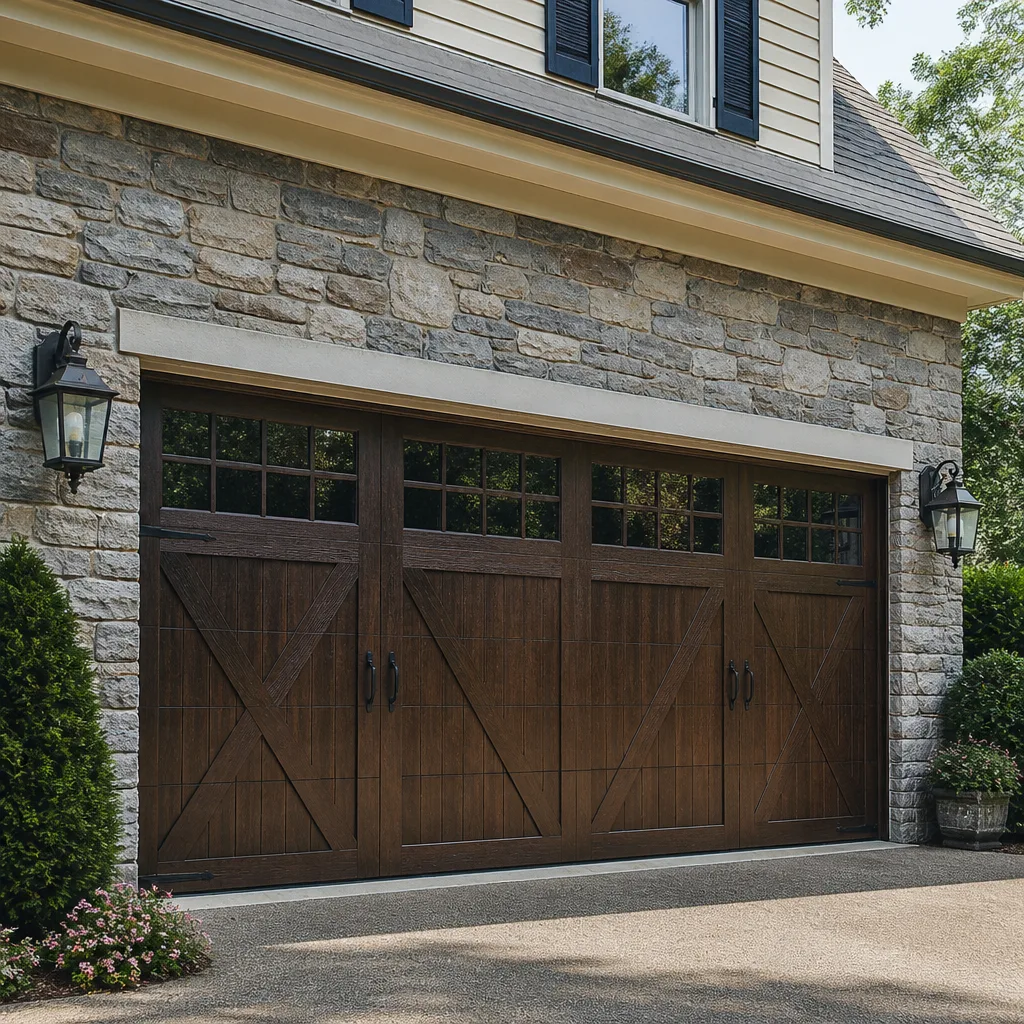 Carriage house
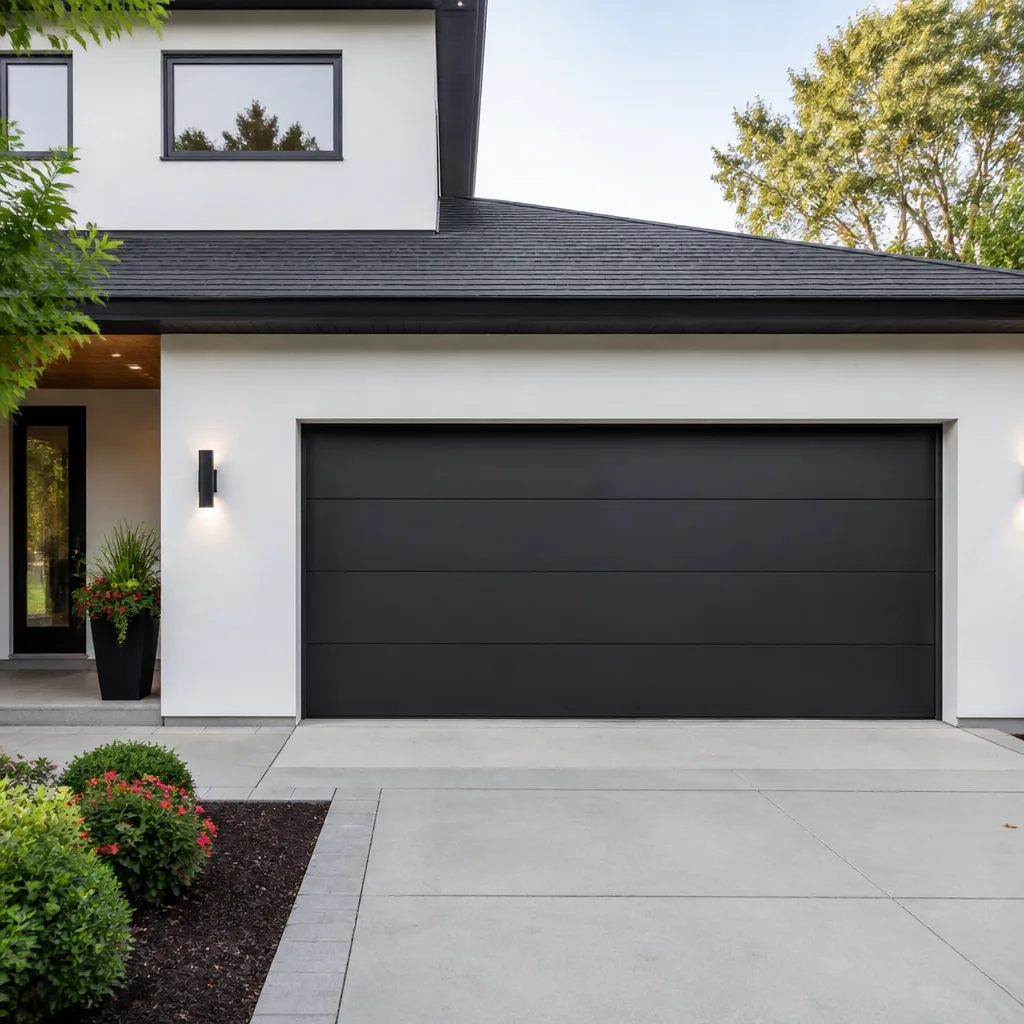 Modern flush
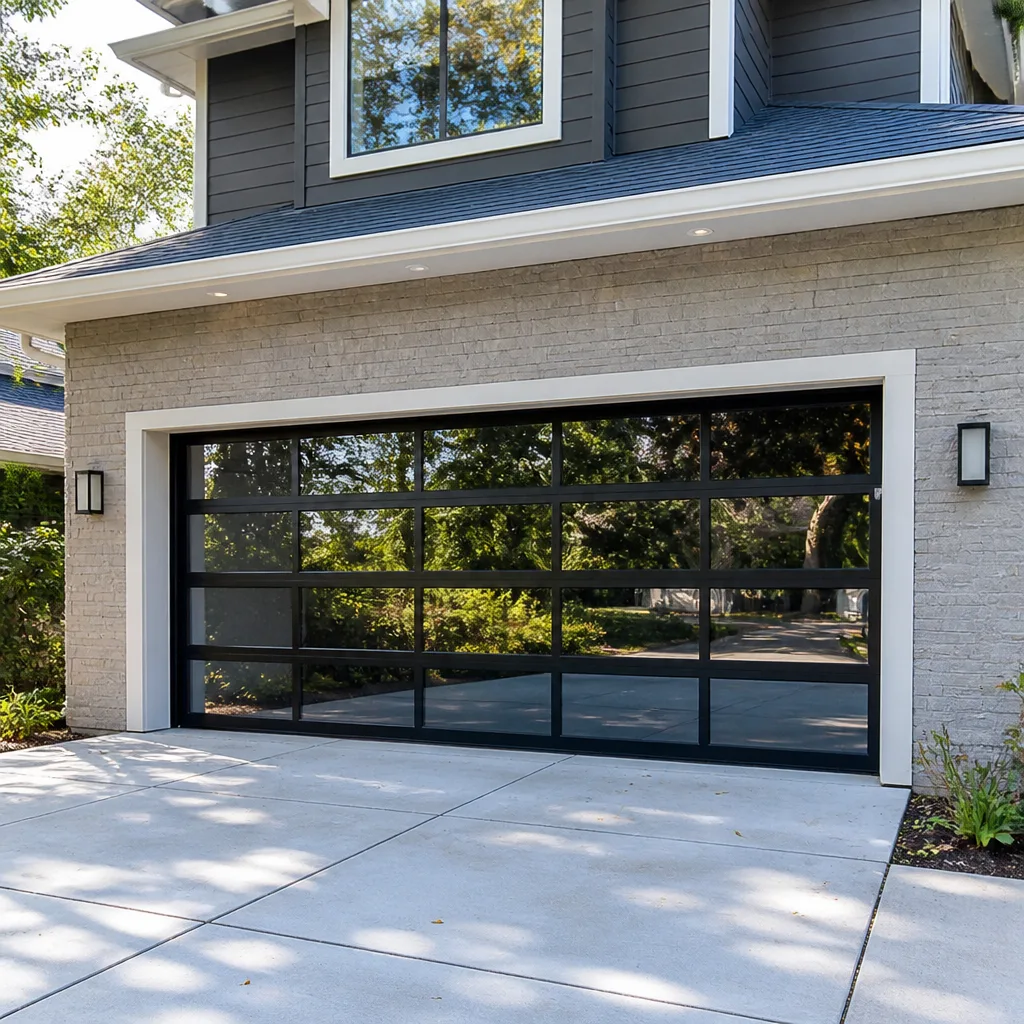 Full-view glass
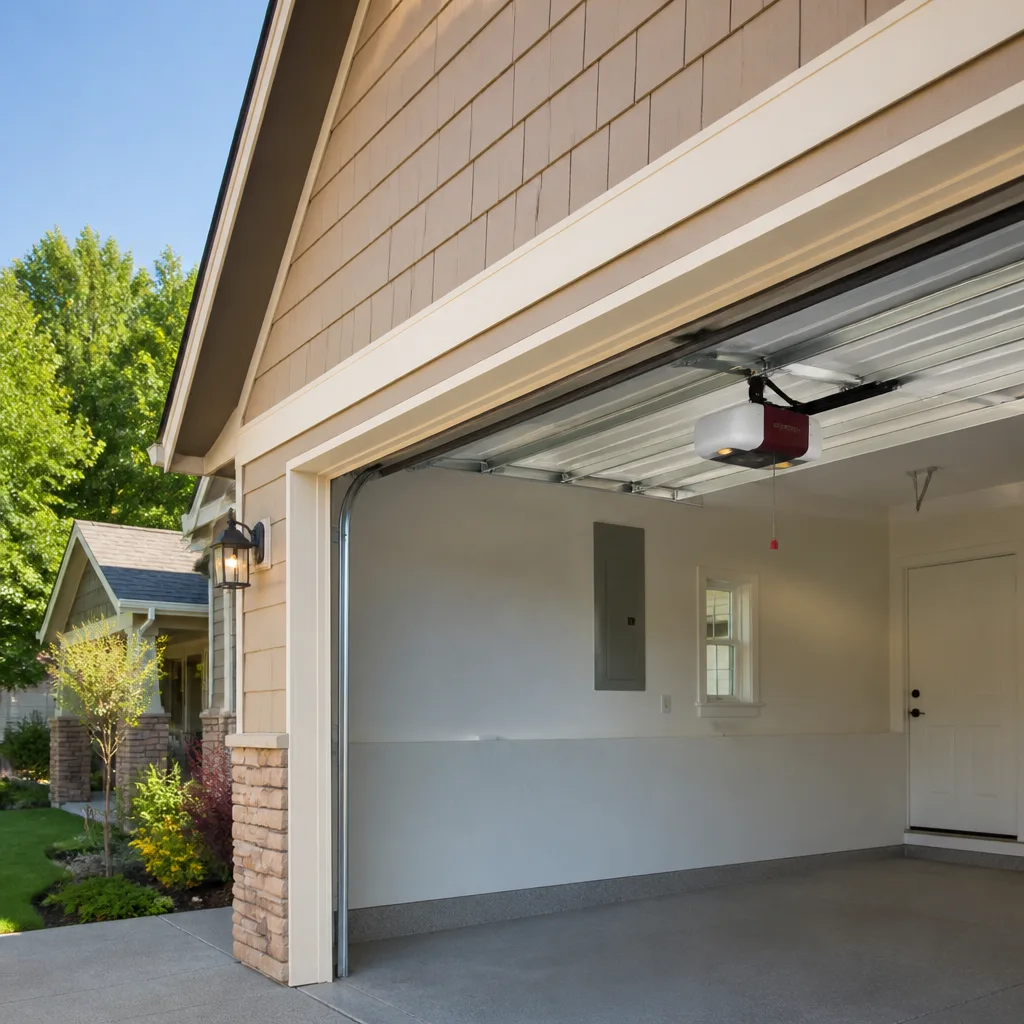 LiftMaster openers
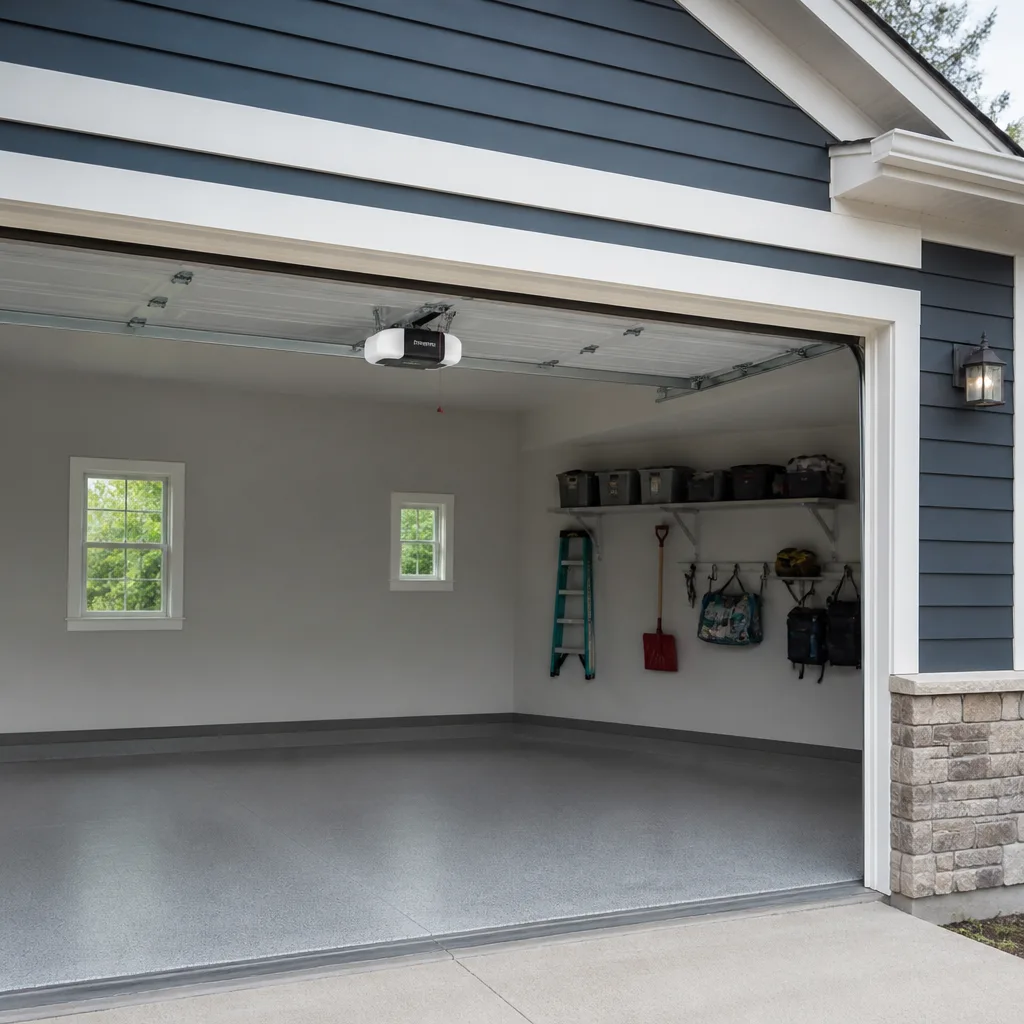 Chamberlain openers
Full 25-point door and opener safety check with every visit - springs, cables, rollers, tracks, and your LiftMaster or Chamberlain opener included
You get a price before we start. It does not change when the pro arrives.
Get your free estimateSeasonal Garage Door Care for Pasadena: Year-Round Homeowner’s Guide
Most garage door advice you’ll find online was written for a climate that doesn’t exist here. It talks about ice dams, road salt, and long freezing winters. Pasadena doesn’t work that way. Our year breaks into four distinct phases that have nothing to do with a New England calendar: hurricane prep season, a punishing summer, a short mild window in fall, and a cold-snap period that arrives after months of heat and catches equipment off guard. A door tuned for a Houston-area July is not automatically ready for a February morning that dips below freezing. This guide walks through each phase, what to check, what to adjust, and what genuinely belongs in the hands of a professional.
Quick Answer
Garage door care in Pasadena follows a four-phase calendar: inspect and torque wind-load hardware in May before hurricane season, manage heat and attic temperatures through the June-to-September summer, handle rust and paint in the October-to-November window, and prepare for brief hard freezes from December through February. Year-round, apply a corrosion-inhibiting lubricant to tracks and springs twice a year to fight Gulf Coast humidity. Most failures we see in Pasadena trace back to one skipped phase, not to the door itself wearing out.
Styles & brands we work with
- Raised-panel steel
- Carriage house
- Modern flush
- Full-view glass
- LiftMaster openers
- Chamberlain openers
Table of Contents
- Why Pasadena’s “Four Seasons” Aren’t What You Think
- May: The Pre-Hurricane Season Checklist
- June Through September: Managing the Summer Heat
- October and November: The Rust and Paint Window
- December Through February: Cold-Snap Readiness
- Year-Round Humidity Management for Tracks and Springs
- The Monthly Five-Minute Walkaround
- Common Mistakes to Avoid
- When to Call a Professional
Why Pasadena’s “Four Seasons” Aren’t What You Think
Pasadena sits in a humid subtropical pocket where the calendar is real but the seasons are lopsided. Summer isn’t a season here, it’s a siege. June through September brings sustained heat and heavy humidity, and the attic above your opener can climb well past 100°F. Fall is short and gentle, a genuine window for painting and rust work. Winter is mild on average, but averages hide the point: February can drop below freezing for a stretch of 48 hours after three months of comfortable weather, and that swing is exactly what equipment calibrated for heat doesn’t expect.
Then there’s hurricane season, which runs June through November. Pasadena’s position makes wind prep a real calendar item, not a hypothetical. That means your garage door is doing two jobs at once. It’s the largest moving part in your home, and it’s also a large opening on the windward face of the building.
When we map the year for homeowners, we break it into four maintenance phases:
- May: pre-hurricane hardware and seal inspection before the season opens.
- June to September: heat management for openers and electronics.
- October to November: rust, paint, and finish work while the weather is kind.
- December to February: cold-snap readiness and pre-freeze adjustments.
Two tasks run across all four: twice-yearly lubrication of tracks and springs, and a quick monthly visual check. Everything else is phase-specific. Skip a phase and you don’t usually see the consequence immediately. You see it weeks later, when something that should have been adjusted has quietly gotten worse. That’s the pattern we’ve watched repeat across Pasadena neighborhoods, from the older homes near downtown to the newer builds out toward Deer Park and the Beltway.
One more frame worth setting: the door itself is rarely the weak link. Springs, rollers, hinges, and the opener’s circuit board take the abuse. That’s where each phase should direct your attention.
May: The Pre-Hurricane Season Checklist
May is the month to make sure your door can do its wind job before the season opens. The single most-overlooked item is also the most consequential: the bottom seal. A seal that’s cracked, flattened, or pulling away from the door leaves a gap that wind-driven rain exploits and that also lets air and pests in year-round. Run your hand along the bottom (door closed, opener disconnected, door fully down) and look for daylight, splits, or a seal that no longer contacts the floor evenly.
Here’s the checklist we hand out for this phase:
- Check bottom seal integrity. Look for cracks, tears, and gaps at the floor line. Replace a failing seal before the season, not during it.
- Inspect and torque wind-load hardware. Hurricane-rated doors rely on reinforced struts, brackets, and specific fasteners holding their rated strength. Loose bolts and backing plates are the failure point. We check these with a torque wrench to the manufacturer’s spec, which differs by door brand and model.
- Test the emergency disconnect cord. Pull it with the door closed, confirm the door stays put, then re-engage and cycle it. If the cord won’t release the carriage or won’t re-engage, that’s a safety and security problem worth fixing now.
- Check the tracks for plumb and alignment. A track that’s drifted out of vertical can bind when wind pressure pushes against the door face.
- Confirm the safety reverse works. With the door closing, place an object in its path. It should reverse. Do this every month, but especially before storm season.
If your door was installed with hurricane hardware, that hardware is only as strong as the fasteners. Bolts back out and brackets loosen as doors cycle, and a season of normal use is enough to matter. This is where brand familiarity earns its keep. Amarr and Wayne Dalton doors and their hardware packages each have their own torque values and bracket designs, and a specialist who works on those systems regularly knows what to look for without guesswork.
In our experience, homeowners who check the seal and the disconnect cord in May avoid most of the wind-related calls we’d otherwise get in June and July. Both checks take under ten minutes. The hardware torque check is the one to leave to a pro if you don’t have the spec sheet and the right wrench.
June Through September: Managing the Summer Heat
Summer is when openers fail for reasons that have nothing to do with how much you use them. The root cause is often the attic or the ceiling cavity above the opener itself. Temperatures up there can hit 100°F and climb higher, and the opener’s circuit board, capacitor, and motor are all calibrated for a cooler environment. When the board gets too hot, it can misread signals, trip a thermal cutout, or fail outright. We’ve seen plenty of openers that work fine in March and act possessed in August.
What you can do about it:
- Add attic ventilation or shade above the unit. Even modest airflow across the opener head lowers its local temperature. A small vent fan or a shade panel can make a measurable difference to board longevity.
- Keep the opener head clean. Dust and debris trap heat. Wipe the housing and clear the vents.
- Don’t load up the rail and springs with heavy “lubricant.” During summer, grease attracts dust and grit and can gum up the mechanism. A light spray lubricant is the right choice here, and only where the manufacturer says to apply it.
- Watch for cycling problems in the afternoon. If the door reverses or won’t fully close on hot afternoons and behaves in the morning, that’s a thermal or limit-setting issue, not a mystery.
- Check that the door is balanced. An unbalanced door makes the opener work harder, and harder work means more heat. Disconnect the opener and lift the door halfway by hand. It should stay put, not drift down or spring up.
Storm-season power flickers in Pasadena add another layer. Brownouts can scramble an opener’s limits and travel calibration. If the door stops at the wrong height after an outage, that’s usually a settings reset, not a failed motor. We cover that and the electronics side of the equation over in garage door opener repair.
If your opener is a LiftMaster, Chamberlain, Genie, or Craftsman unit, the summer problem may be a specific board or sensor rather than a general heat issue. Brand-specific diagnosis saves time and guessing. A Genie Aladdin or a LiftMaster MyQ unit has its own failure patterns and its own thermal behavior, and treating them as identical wastes a service call.
October and November: The Rust and Paint Window
Fall is the short, forgiving stretch when you should do the work that needs mild weather and dry time. Two things belong here: rust treatment and paint or finish repair. Gulf humidity works on steel doors, hinges, and fasteners year-round, but the damage it does becomes visible by fall. Catch it now and the fix is light. Let it ride through the winter and you’re repainting a door that’s already lost its protective layer.
Our fall walkthrough:
- Look for rust at the bottom edge of the door, hinges, and track brackets. The bottom is where standing moisture and seal failures show first.
- Clean, sand, and prime any rust spots. Light surface rust is a touch-up job. Deep pitting is a repaint-and-seal job. Either way, stop the rust before winter.
- Repaint or reseal if the finish has faded or chalked. A wood or steel door that’s due for paint should get it while temperatures are mild and rain is infrequent.
- Clean the tracks and lube the springs. This is the second half of your twice-yearly lubrication, timed for perfect fall weather.
- Check the weatherstripping around the perimeter, not just the bottom seal. Side and top seals also harden and crack.
We also use fall to check hinges and rollers for wear. Rollers that have flattened out or stopped spinning drag on the track, and that drag puts extra load on everything upstream, including the springs and the opener. Replace worn nylon rollers in fall and you’ll usually get a quieter door and a longer spring life out of the swap.
Fall is also the natural season to think about a door that’s reached the end of its life. If you’re repainting for the third time in a decade or the panel seams are giving up, replacement may cost less over time than repair. Our garage door repair team can tell you honestly whether the door in front of them is worth saving.
December Through February: Cold-Snap Readiness
February is the month that catches Pasadena doors off guard. After three months of mild weather, a cold snap can drop temperatures below freezing for 48 hours straight. That swing is hard on equipment calibrated for heat. The failure mode we see most often is the opener’s thermal cutout tripping on a cold morning when the motor and board are both stiff and cold. The homeowner hears a click and nothing happens, or the door starts up and stalls partway.
What to do before a cold snap:
- Test the opener’s force adjustment. Cold grease and stiffer metal make the door harder to move. An opener set near the edge of its force limit in summer may trip its safety reverse in winter. Have the force setting checked before the cold hits.
- Confirm the door is in balance. A well-balanced door is easier on the opener in cold weather and less likely to trip a limit.
- Keep the spring lubricated. A dry spring in cold weather can chatter or bind. Your fall lubrication is doing double duty here.
- Watch the bottom seal. Cold makes old seals brittle and prone to cracking, and a cold snap can split a seal that survived the summer.
- Leave the opener plugged in but be gentle on it. Cold mornings are not the time to cycle the door repeatedly or force a stalled door by hand while the opener is engaged.
There’s a specific pattern here worth naming: doors calibrated for heat can bind in a brief freeze because the door has no real cold-weather baseline. The limit and force settings that work in July are wrong for a 30°F morning. That’s why an annual pre-winter adjustment is worth doing now, before the cold snap, rather than paying emergency rates after the door fails.
For a door with hurricane hardware, cold also affects the seal and bottom edge more than the hardware. Check the seal as part of your December walkaround, and check it again after any hard frost.
Year-Round Humidity Management for Tracks and Springs
If you do one thing for your door all year, make it this: apply a corrosion-inhibiting lubricant to the tracks, springs, hinges, and rollers twice a year. Gulf Coast humidity is the slow enemy of every steel component on your door. Left alone, steel springs and bare tracks develop surface rust, and rust is what turns a smooth spring into a sticky one and a quiet track into a grinding one. A lubricant designed with corrosion protection, applied in spring before summer and again in fall, prevents most of that damage.
The twice-yearly schedule:
- Spring (before the heat). Clean tracks with a dry cloth or brush, then apply a light spray lubricant to rollers, hinges, and the spring and track. Wipe off excess.
- Fall (after the heat). Repeat, and pay extra attention to bolts, brackets, and the bottom edge where rust starts.
A few rules we pass along: don’t grease the tracks themselves, don’t use WD-40 as a lubricant (it’s a solvent, not a long-term protectant), and don’t over-lube. Too much lubricant collects dust and grit and turns into an abrasive paste. The goal is a thin, protective film, not a coating.
Springs deserve their own paragraph, and a safety warning. Torsion and extension springs are under extreme tension. They store enormous energy, and adjusting or replacing one involves tools and training most homeowners don’t have. This is not a DIY repair. A spring that lets go can do serious injury. If your spring looks rusty, is making noise, or the door won’t stay up, call a professional rather than reaching for a ladder. Our garage door spring repair specialists handle torsion and extension systems as a safety-critical job, and there’s a reason that’s a separate specialty.
The Monthly Five-Minute Walkaround
A five-minute check once a month catches most problems before they become emergency calls. Nothing here is technical. It’s about knowing what normal looks like so you notice what isn’t.
- Listen. Open and close the door and listen. Grinding, squealing, or a bang at the start means a mechanical issue. Silence with a click means an opener issue.
- Watch the door move. If it jerks, tilts, or drifts to one side, the track or springs need attention.
- Test the safety reverse. With the door closing, put an object in the path. It should reverse.
- Check the bottom seal. Look for daylight or cracks.
- Look at the tracks. Straight, clean, and free of rust and debris.
- Look at the springs. A visible gap in a torsion spring is a broken spring. Call a pro.
- Check the emergency release. Test that the red cord releases the door and that it re-engages.
This routine takes about five minutes and is the single best way to avoid being surprised. Most of the Pasadena calls we get start with “it was working yesterday.” A monthly check rarely lets a problem go from silent to sudden.
Common Mistakes to Avoid
- Treating a Pasadena door like a winter-climate door. Advice written for snowy states leads homeowners to expect frost damage and neglect heat and humidity. Our failure modes are summer heat on the opener and winter cold snaps catching a door set up for heat.
- Greasing the tracks. Grease collects grit and accelerates the wear it’s meant to prevent. Use a light spray lubricant where the manufacturer specifies, and keep the tracks dry and clean.
- Adjusting or replacing springs yourself. Torsion and extension springs are under extreme tension and are among the most dangerous components in a home. This is not a ladder-and-video job. Call a professional.
- Skipping the May wind-load check. Loose brackets and bottom seals that fail are the most common wind-related problems. A ten-minute check in May prevents most of them.
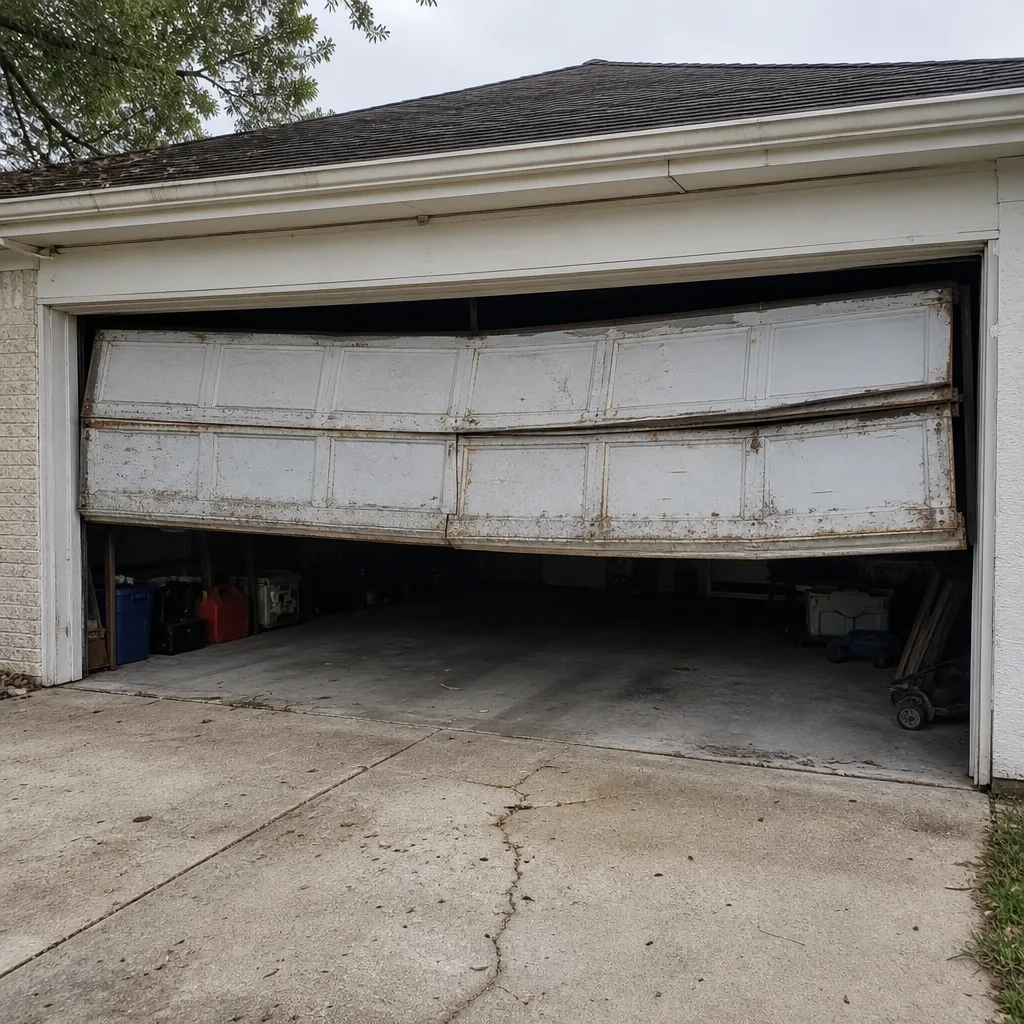
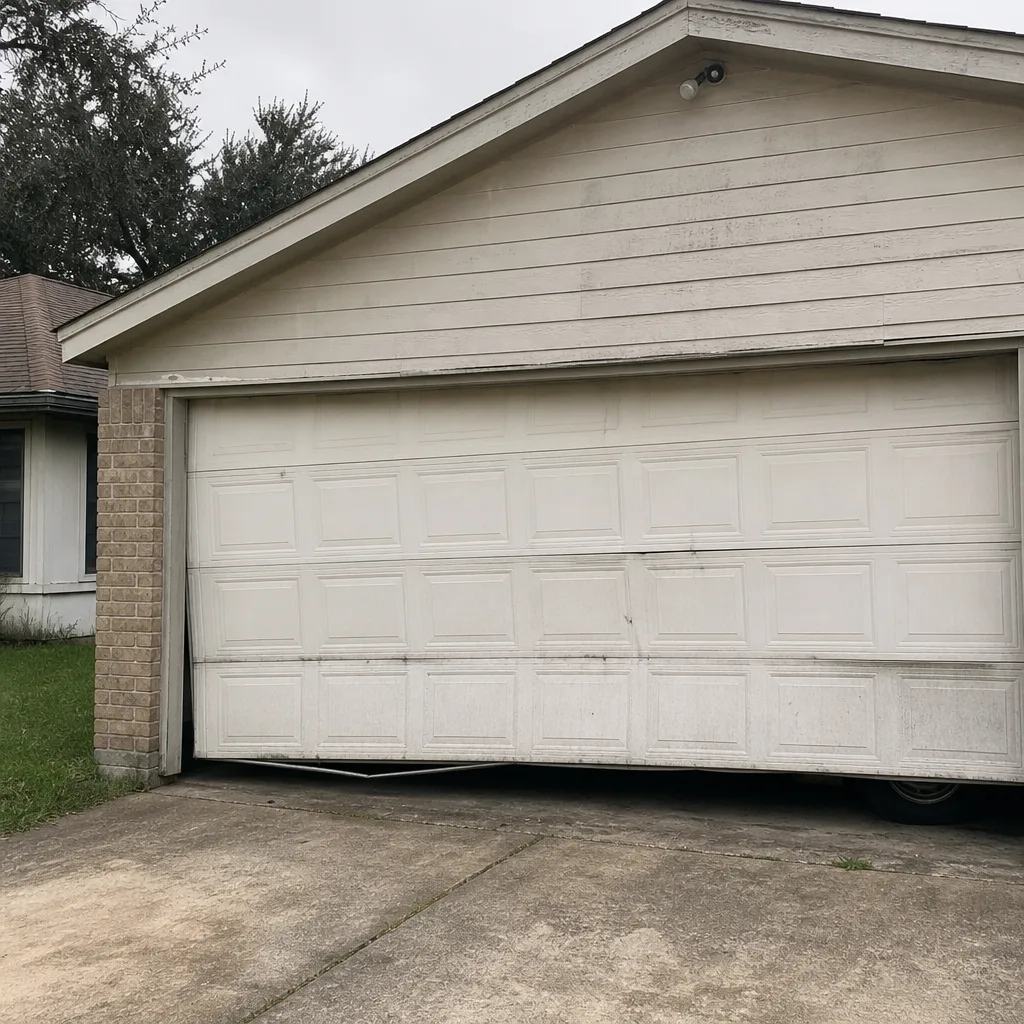
- Ignoring a slight tilt or drift. A door that closes a little crooked is telling you the track or spring is out of adjustment. Left alone, that small drift becomes a binding door and a burned-out opener.
- Letting rust wait until spring. Thanksgiving-weekend humidity and winter weather don’t wait. Fall is the window to treat rust and paint before the mild weather closes out.
- Never checking the opener’s force and limit settings. A setting that’s fine in July can trip in a February cold snap. An annual pre-winter adjustment avoids most cold-morning failures.
When to Call a Professional
Some jobs belong in your hands, and some don’t. Call a professional if a spring is broken, the door is off-track, the cables are slack, or the door will not stay up when you lift it by hand. Call if your opener trips or reverses without an obvious cause, if the door tilts or binds, or if a cold snap or storm has left it stuck. And call if the wind-load hardware on a hurricane-rated door needs inspection you’re not equipped to do. Those are the moments when a first-visit fix matters most, and when the difference between a generalist and a specialist shows.
Pasadena Garage Door Repair Co offers free estimates in Pasadena – call (855) 337-1170. We’re factory-familiar with the eight brands most Pasadena homes use: LiftMaster, Chamberlain, Genie, Clopay, Amarr, Wayne Dalton, Craftsman, and Raynor. We quote and agree the price before any work starts, and we can work with your insurer if a storm-related repair needs to go that route. Emergency or planned, we cover it. Our technicians have up to 15 years of experience, and we focus exclusively on garage doors rather than general home services. Whether it’s six hours before a cold snap or a Tuesday morning after a storm, we can help you get back up and running.
Frequently Asked Questions
Twice a year for lubrication, with a five-minute walkaround every month. The twice-yearly schedule is timed for our climate: one servicing in spring before the summer heat, and one in fall after it. Your regular garage door repair specialist can handle a full inspection once a year while you handle the monthly checks.
Yes, and mostly on the steel components rather than the panels. Gulf Coast humidity rusts springs, tracks, and fasteners over time, and a twice-yearly corrosion-inhibiting lubricant prevents most of the damage. Painting and rust-touch-up in the fall window stops what’s already started.
Cold weather makes the motor and board harder to move, and an opener set near its force limit in summer can trip a safety reverse or thermal cutout in a brief freeze. A pre-winter force and limit adjustment usually prevents it. If the opener clicks and nothing moves on a cold morning, that’s the pattern to look for.
No. Torsion and extension springs are under extreme tension and are among the most dangerous components in a home. Adjusting or replacing one requires specific tools and training, and a failure can cause serious injury. Our garage door spring repair team handles both systems professionally.
The bottom seal, the wind-load hardware bolts, and the emergency disconnect cord are the top three. A failing bottom seal and loose brackets are the same two issues that cause most storm-related door damage, and both are visible in a quick inspection. If you’re unsure about the hardware torque, have a specialist check it against the door’s spec.
Mostly the same, with one addition: after any power interruption or firmware update, confirm the door’s travel limits are still calibrated. LiftMaster MyQ, Chamberlain, Genie Aladdin, and Craftsman units can reset their limits after an outage. Test the door and re-calibrate if it stops at the wrong height.
The Bottom Line
Garage door care in Pasadena is a four-phase calendar: wind prep in May, heat management through summer, rust and paint in fall, and a pre-freeze adjustment for winter. Add twice-yearly lubrication and a five-minute monthly walkaround and you’ll avoid most of the emergency calls we see. Springs are a professional job, and so is the hardware torque check on a hurricane-rated door. If you want an honest look at your door before the next season turns, call Pasadena Garage Door Repair Co at (855) 337-1170. Free estimates, upfront pricing, and the price we quote is the price we agree before any work begins. For the full scope of what we handle across Pasadena, start with Pasadena Garage Door Repair Co.
Written by the team at Pasadena Garage Door Repair Co.
See the difference
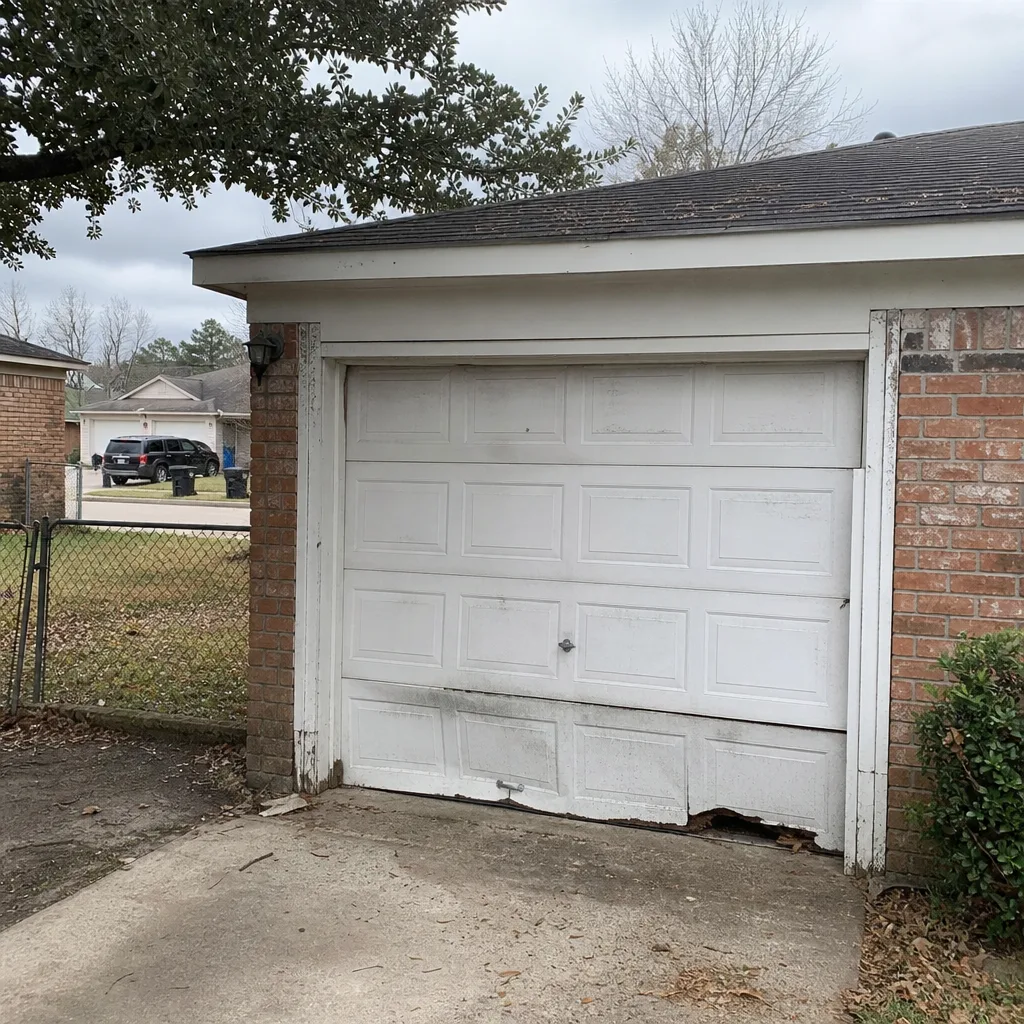 Before
 After
 Before
 After
 Before
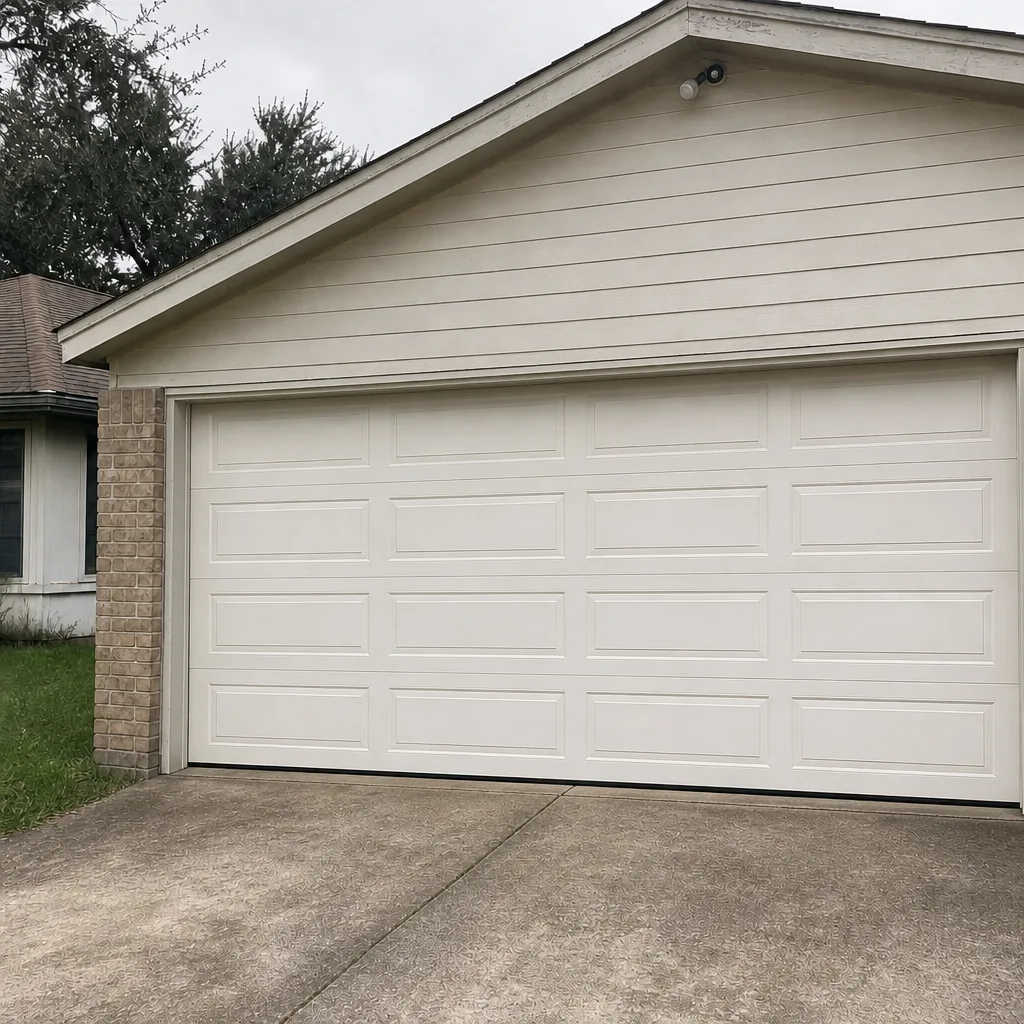 After